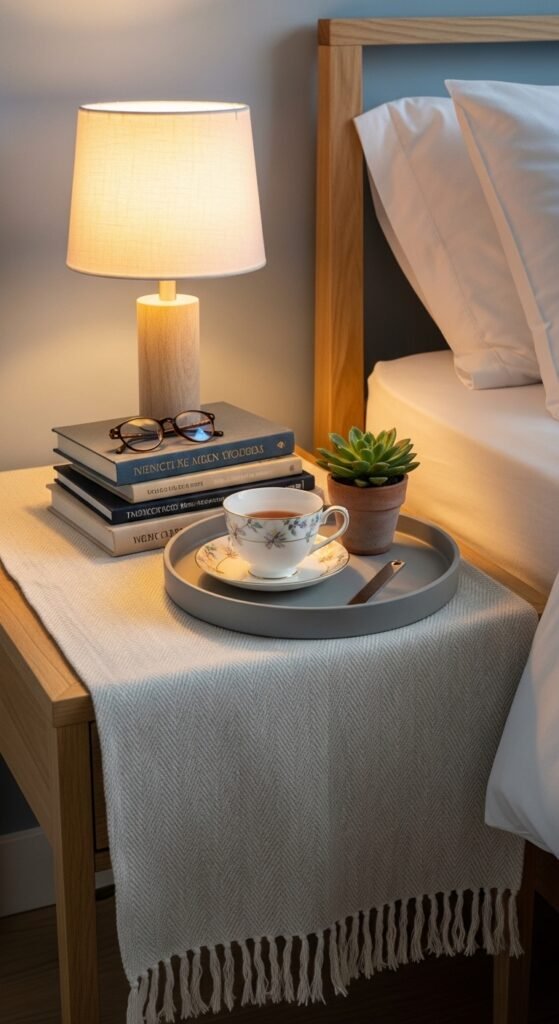
• Skip to main content
  • Skip to secondary menu
  • Skip to primary sidebar
Haven Only

Haven Only

Ad example
  • Home
  • St. Patrick’s Day
  • Valentine’s Day
  • Blog

Claire Anderson

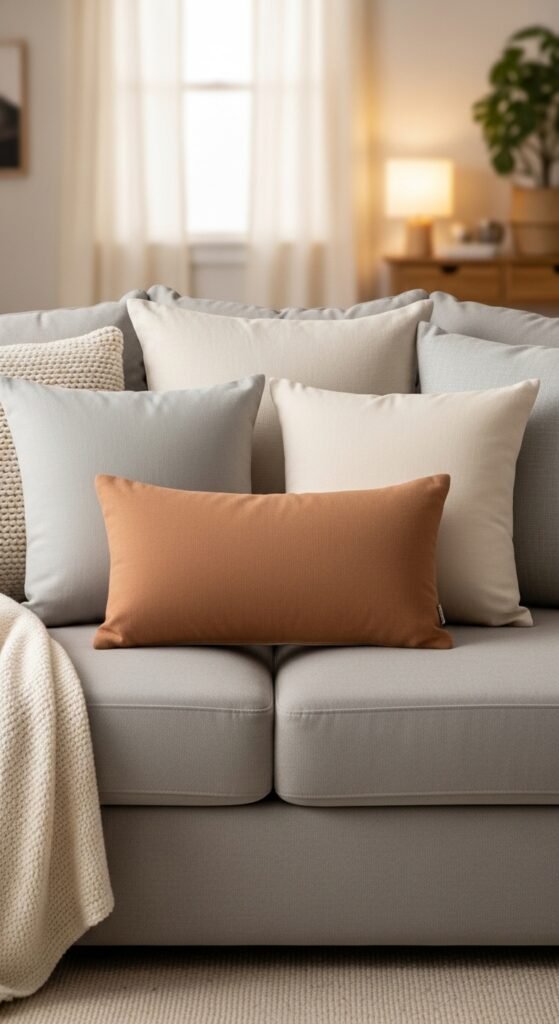
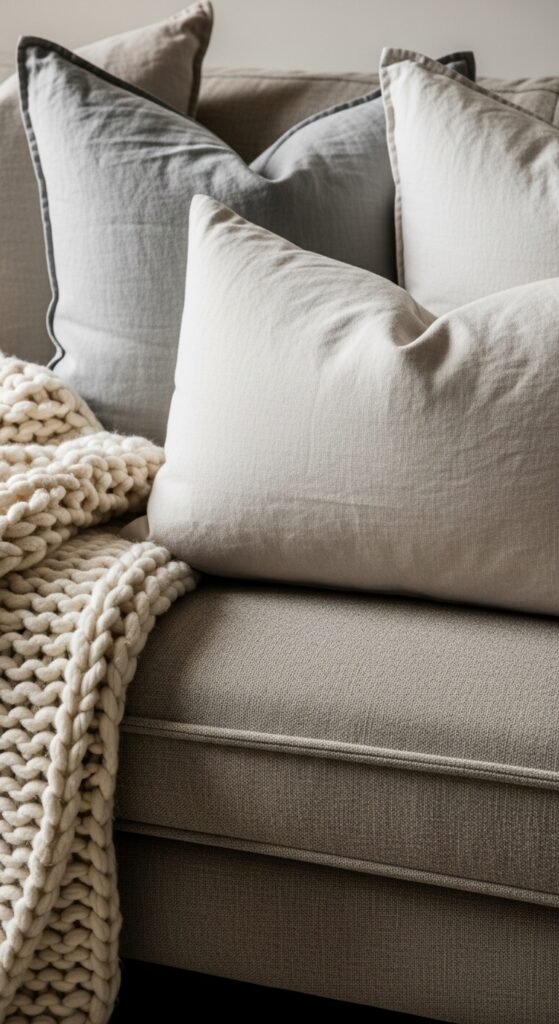
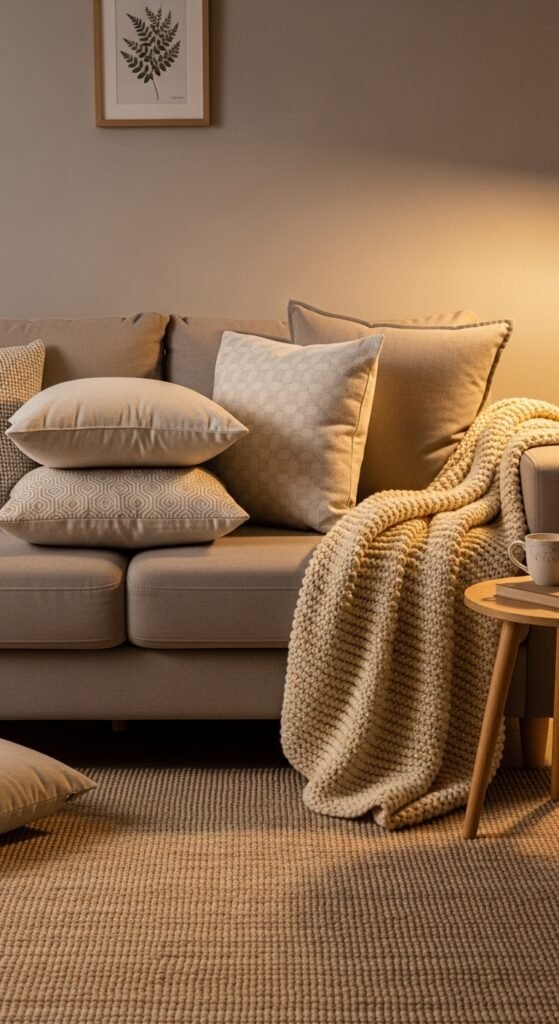
How to Layer Pillows for Cozy Decor

There’s something magical about a sofa or bed piled just right with pillows—it instantly says come relax here. Layered pillows add warmth, personality, and that effortless cozy vibe people love to save on Pinterest. The good news? You don’t need a designer budget or perfect symmetry. With a few simple guidelines, anyone can master the art of pillow layering.
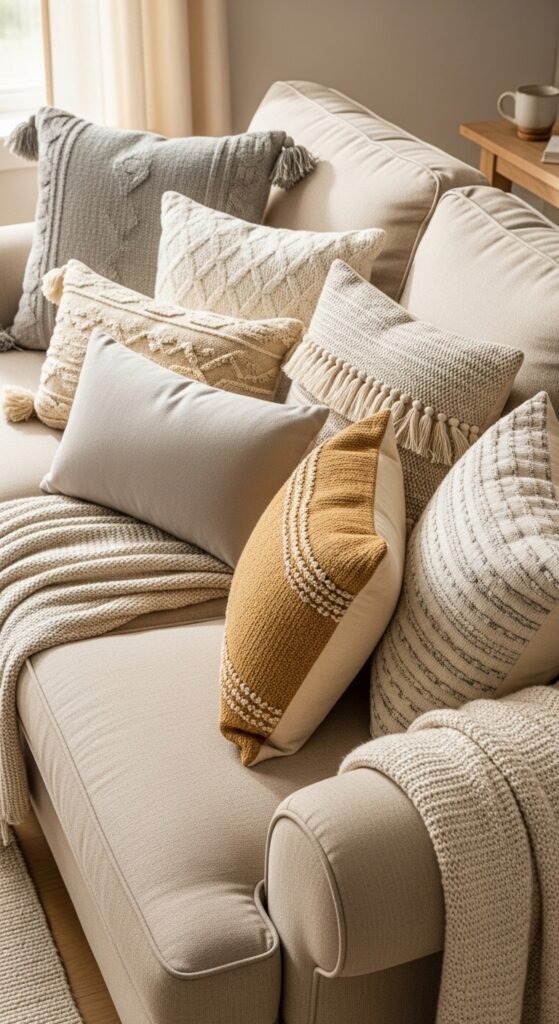
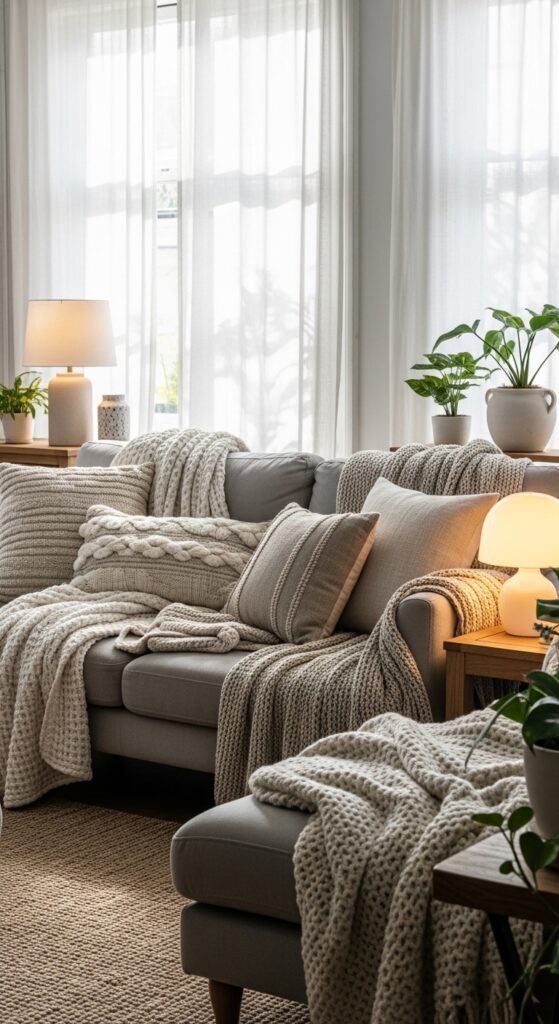
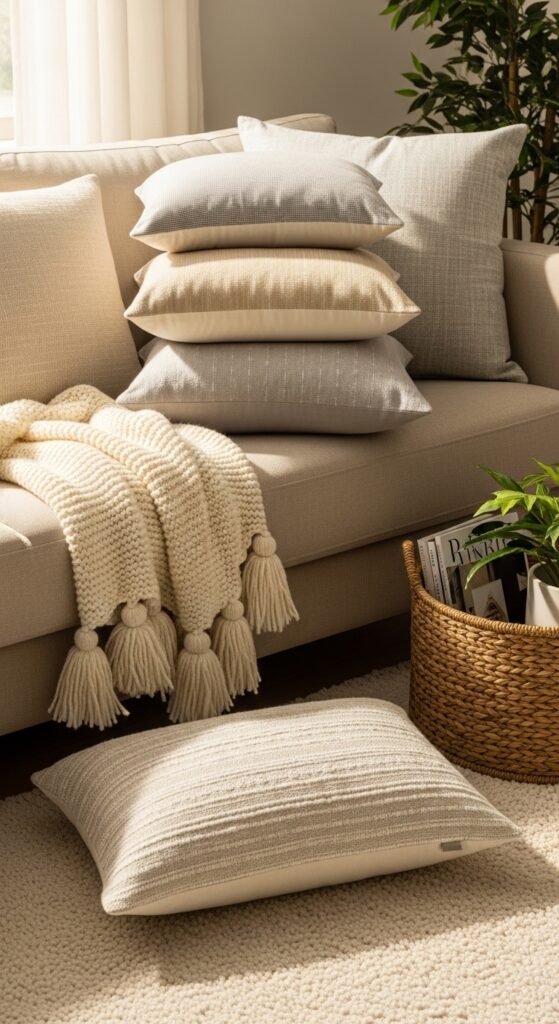
How to Layer Pillows Cozy Decor

Start With a Simple Base

Before adding personality, you need a solid foundation. Your base pillows create structure and make everything else feel intentional.

How to choose your base:

  • Use large pillows (20×20 or 22×22 inches)
  • Stick to neutral colors like cream, beige, gray, or soft taupe
  • Choose durable fabrics such as cotton or linen

Place these pillows at the back corners of your sofa or against the headboard of your bed. They act like a backdrop that allows smaller, decorative pillows to shine.


Add Layers With Varying Sizes

Once the base is in place, it’s time to build depth. Layering works best when sizes gradually decrease from back to front.

A simple size formula:

  • Large pillows in the back
  • Medium pillows in the middle
  • Small accent pillows in the front

This approach creates a natural flow and keeps the arrangement from looking flat.
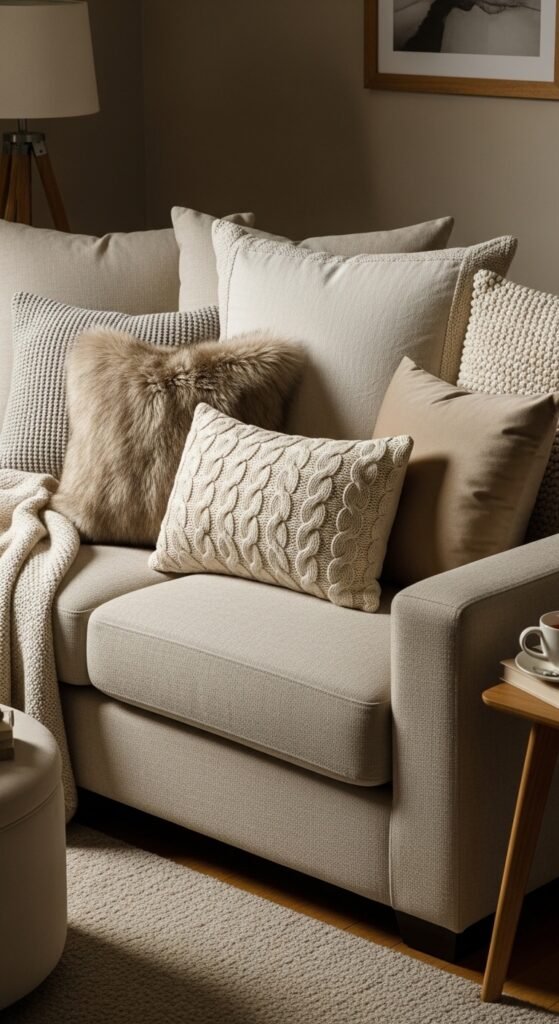
Add Layers With Varying Sizes

Mix Textures for Instant Warmth

Texture is what makes pillows feel cozy instead of boring. Even a neutral color palette comes alive when different materials are layered together.

Try mixing:

  • Soft knits or chunky weaves
  • Linen or cotton covers
  • Faux fur or sherpa-style textures
  • Subtle embroidery or raised patterns

The key is contrast. Pair smooth with nubby, soft with structured. This keeps your pillow setup interesting without overwhelming the space.


Play With Patterns (But Keep Them Balanced)

Patterns add personality, but too many can feel chaotic. A good rule of thumb is to mix one bold pattern with one subtle pattern and one solid.

Helpful pattern tips:

  • Use stripes, florals, or geometric prints sparingly
  • Repeat a color from the room to keep things cohesive
  • Balance busy patterns with calm, solid pillows
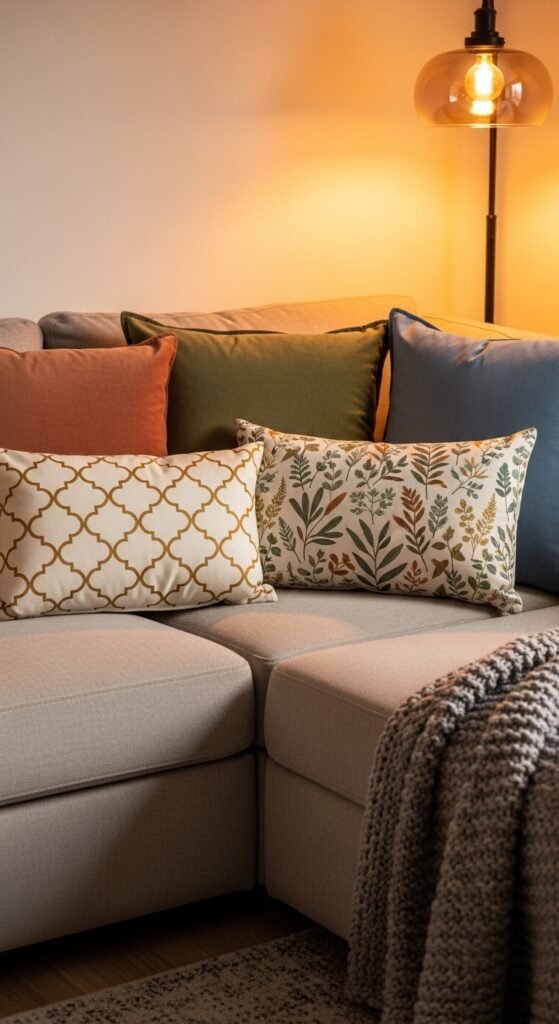
Play With Patterns

Choose a Cozy Color Palette

Color plays a huge role in how cozy your space feels. Warm, muted tones tend to create the most inviting look.

Cozy color ideas:

  • Warm neutrals like oatmeal, sand, or ivory
  • Earthy tones such as rust, clay, or olive
  • Soft seasonal accents like muted terracotta or dusty blue

You don’t need to match everything perfectly. Aim for colors that work together rather than exact matches.


Don’t Forget the Lumbar Pillow

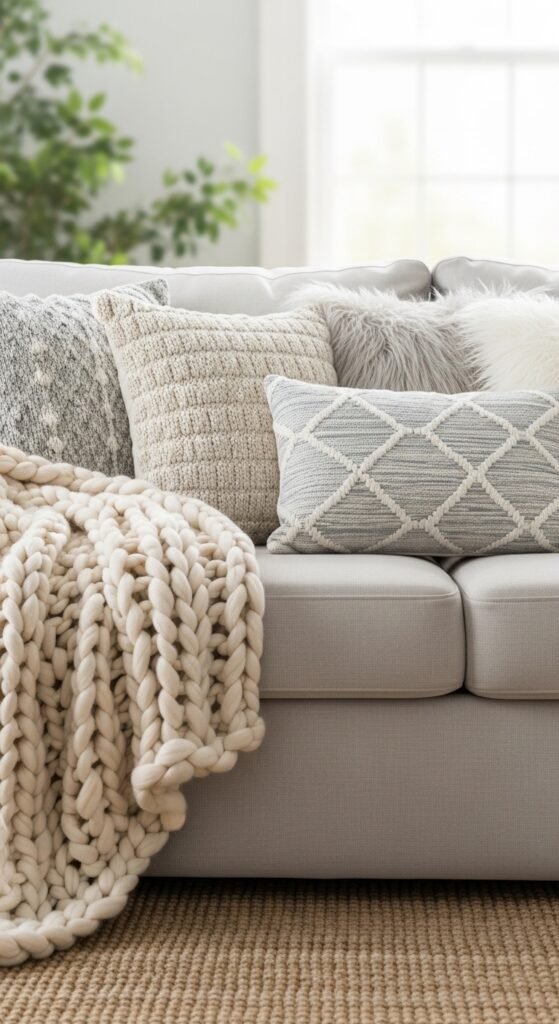
Lumbar pillows are the secret weapon of cozy decor. Their rectangular shape breaks up all the squares and adds a relaxed, styled look.

Use a lumbar pillow to:

  • Anchor the center of a sofa
  • Add contrast with a different texture or pattern
  • Provide extra comfort for lounging
Don’t Forget the Lumbar Pillow

Style With Intention, Not Perfection

One of the biggest mistakes people make is overthinking pillow placement. Cozy decor should feel lived-in, not staged.

Keep it relaxed:

  • Gently karate-chop or fluff pillows instead of keeping them stiff
  • Slightly angle pillows for a casual look
  • Remove one pillow if things feel crowded

Remember, the goal is comfort first—visual appeal second.


Refresh Pillows Seasonally

You don’t need new furniture to refresh your space. Swapping pillow covers is one of the easiest ways to update your decor throughout the year.

Seasonal ideas:

  • Lighter textures and colors for warmer months
  • Richer fabrics and warmer tones when it’s cooler
  • Neutral bases that stay year-round with rotating accents

This keeps your home feeling fresh without extra effort.


Final Cozy Takeaway

Layering pillows is less about rules and more about feeling. Start with a neutral base, mix sizes and textures, add a touch of pattern, and let comfort lead the way. When your pillows invite you to sit, relax, and stay awhile—you’ve done it right.

Save this guide for later and try refreshing your pillow setup this week for an instant cozy upgrade
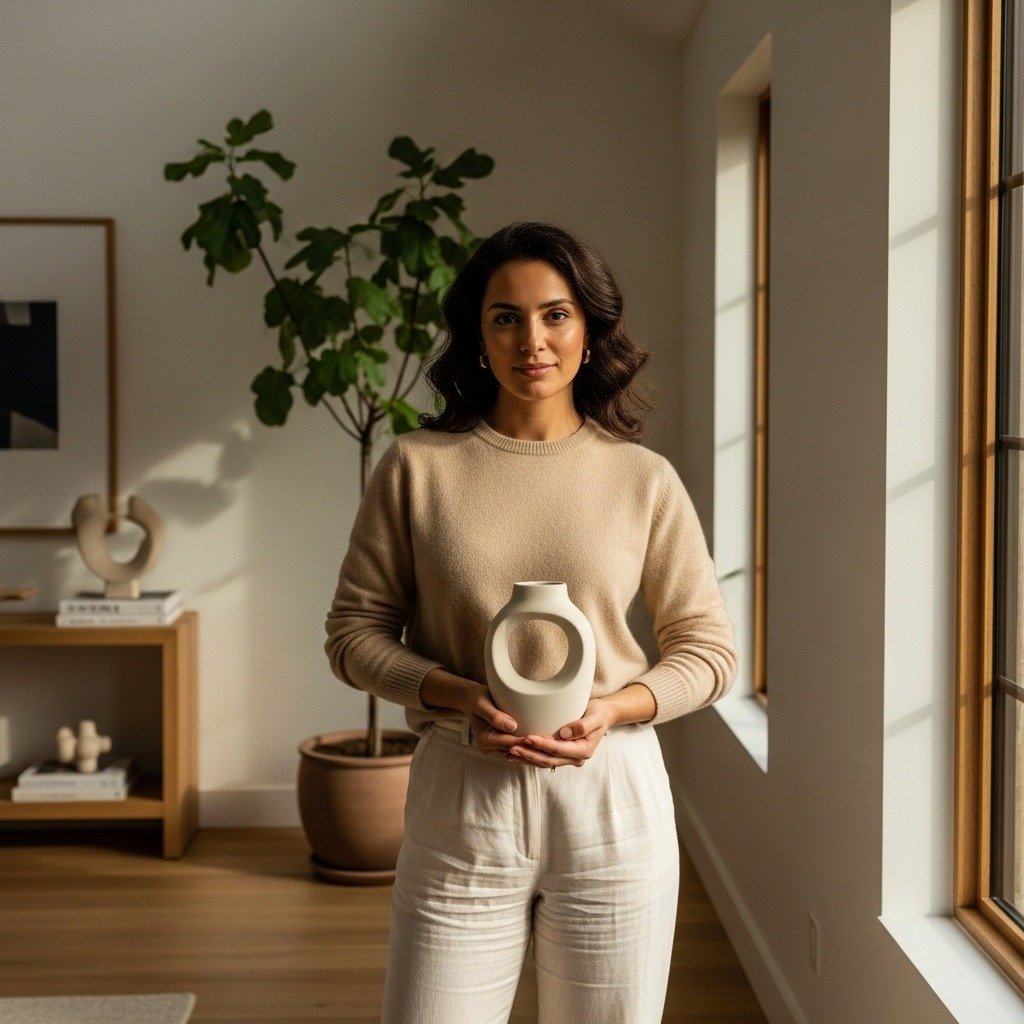
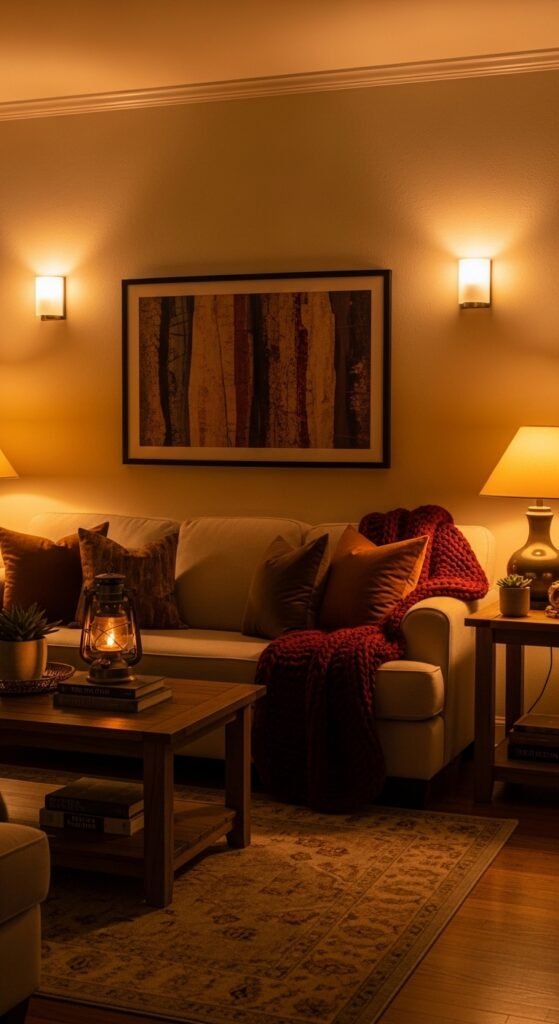
Claire Anderson

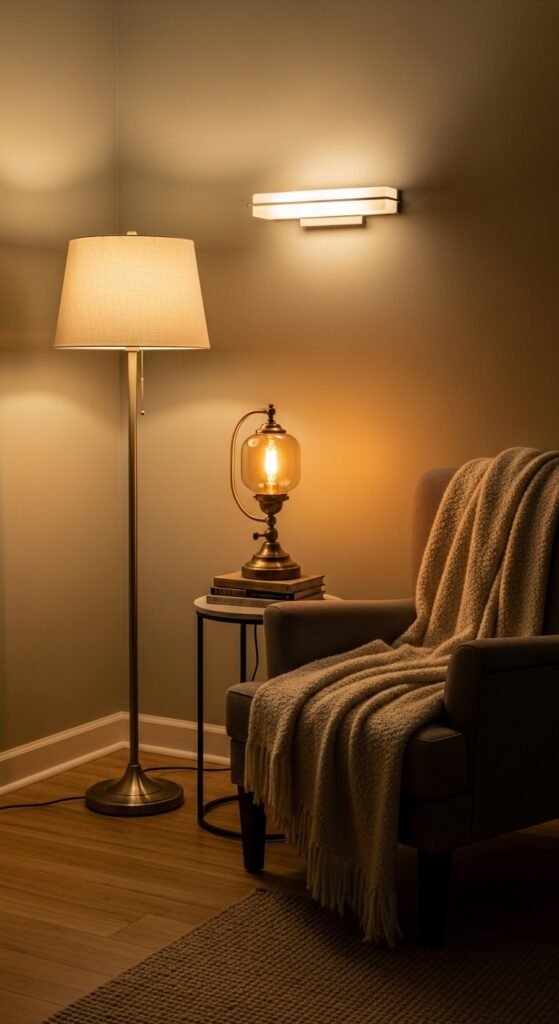
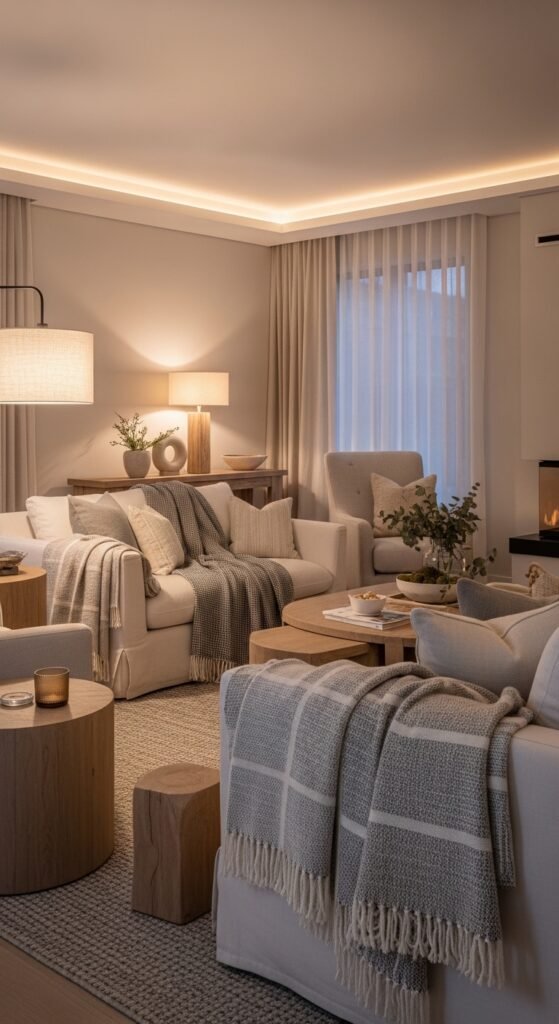
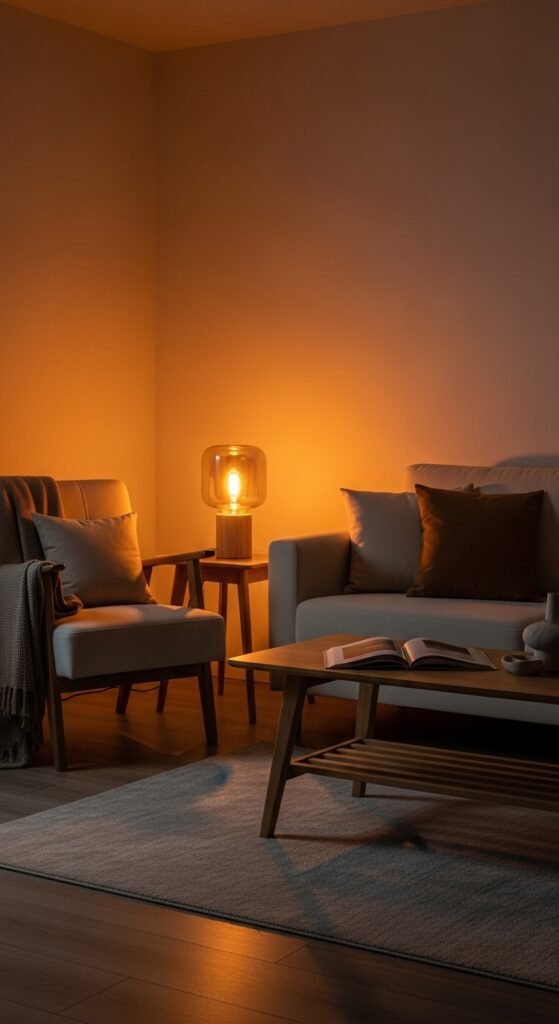
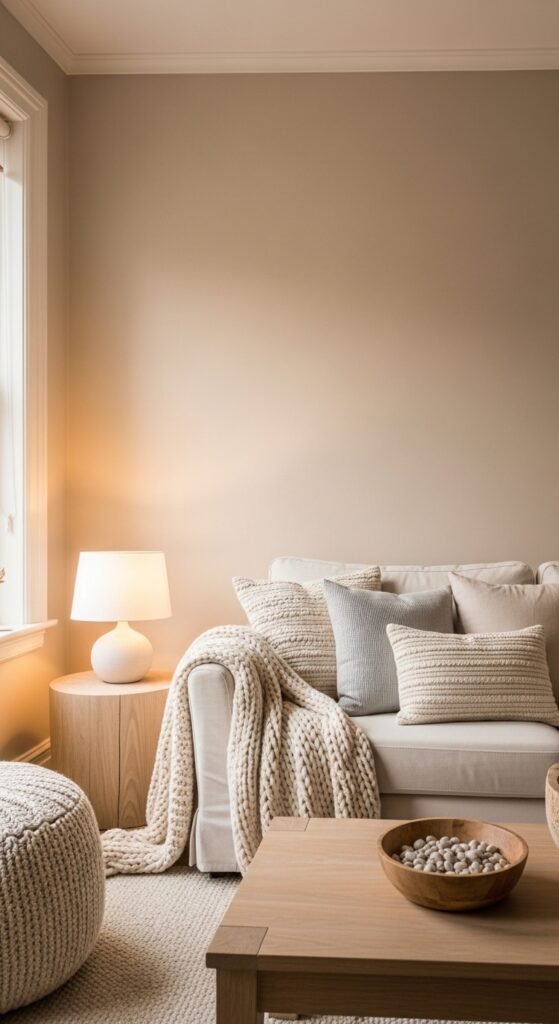
How to Use Warm Lighting for Cozy Decor

There’s something magical about walking into a room that feels instantly warm and inviting. Often, it’s not the furniture or the color on the walls—it’s the lighting. Warm lighting has a way of softening a space, slowing things down, and making a home feel truly lived in. If your rooms feel a little flat or too harsh, learning how to use warm lighting can completely transform the mood.

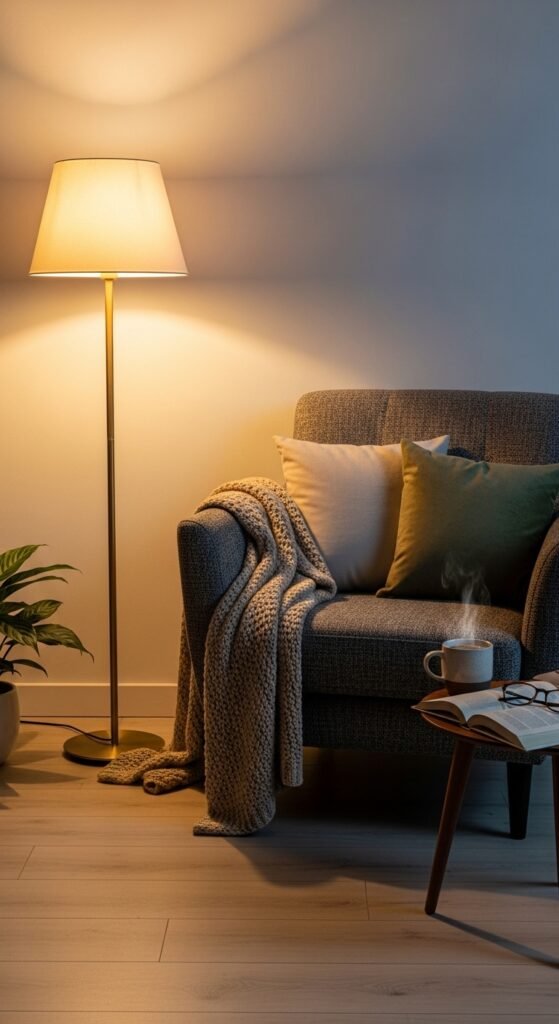
How to Use Warm Lighting for Cozy Decor

Understand What “Warm Lighting” Really Means

Warm lighting refers to light with a soft, yellow or golden tone rather than a bright white or blue tint. It’s the kind of light that feels calming and familiar, similar to sunset light or candle glow.

When shopping for bulbs, look for:

  • Color temperature between 2200K and 3000K
  • Labels like warm white or soft white
  • Frosted bulbs for a gentler glow

This type of lighting is especially ideal for living rooms, bedrooms, dining areas, and reading nooks—anywhere you want to relax.

Layer Your Lighting for Depth and Comfort

One of the biggest mistakes in home lighting is relying on a single overhead fixture. Cozy rooms feel layered, with light coming from multiple sources at different heights.

Aim for a mix of:

  • Ambient lighting: ceiling fixtures or recessed lights for overall glow
  • Task lighting: table lamps, desk lamps, or floor lamps for function
  • Accent lighting: wall sconces, small lamps, or LED strips for atmosphere
Layer Your Lighting for Depth and Comfort

Layered lighting creates depth and allows you to adjust the mood throughout the day without changing the entire setup.

Choose Lampshades That Soften the Glow

The shade matters just as much as the bulb. Clear or stark white shades can make light feel sharper, while fabric or textured shades diffuse it beautifully.

For a warmer effect, try:

  • Linen, cotton, or woven fabric shades
  • Cream, beige, or soft taupe tones
  • Slightly opaque materials instead of clear glass

These shades help spread light evenly and eliminate harsh glare, instantly making a room feel more comfortable.

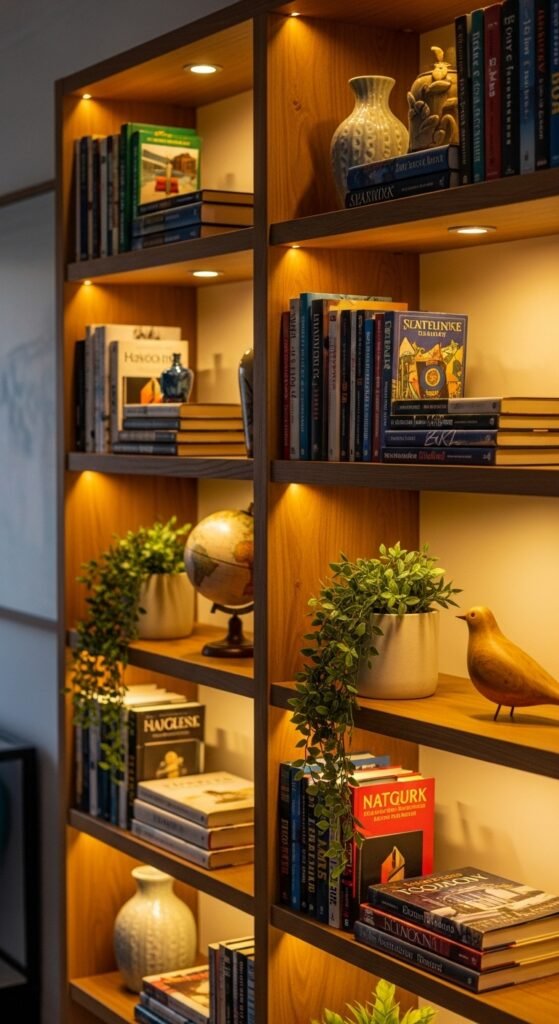
Use Warm Lighting to Highlight Cozy Details

Warm lighting is perfect for drawing attention to the little details that make a home feel personal. Instead of flooding a room with brightness, use focused light to highlight specific areas.

Great places to add warm accent lighting include:

  • Open shelves or bookcases
  • Artwork or framed photos
  • Textured walls, plants, or decorative objects
Use Warm Lighting to Highlight Cozy Details

This approach adds visual interest while keeping the overall mood relaxed and inviting.

Create Evening Ambience with Low-Level Lighting

As the day winds down, lower lighting helps signal rest and calm. Swapping bright lights for smaller, warmer sources can completely change how your space feels at night.

Try adding:

  • Table lamps on side tables or consoles
  • Wall-mounted lights near seating areas
  • Dimmable fixtures for easy adjustments

Keeping light sources closer to eye level helps create that cozy, wrapped-in-light feeling people love in evening spaces.

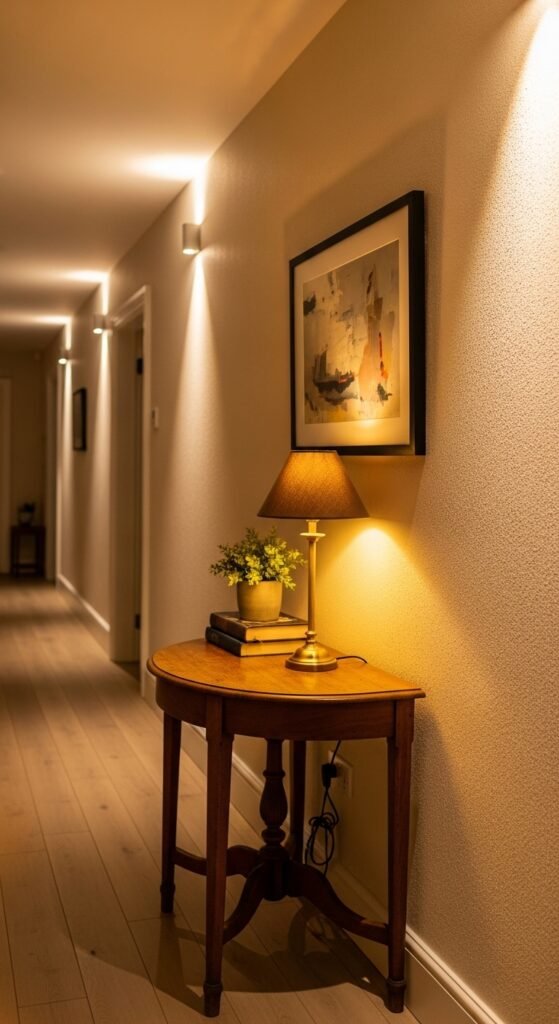
Don’t Forget Warm Lighting in Unexpected Spaces

Warm lighting isn’t just for living rooms and bedrooms. Adding it to overlooked areas can make your entire home feel more welcoming.

Consider warm lighting for:

  • Entryways, to create a friendly first impression
  • Hallways, using small wall lights or lamps
  • Bathrooms, paired with soft fixtures for a spa-like feel
Don’t Forget Warm Lighting in Unexpected Spaces

Even functional spaces benefit from softer light—it makes daily routines feel more enjoyable.

Balance Warm Light with Light-Colored Decor

Warm lighting looks best when it reflects off lighter, neutral surfaces. Soft whites, warm grays, and natural textures help amplify the glow without making rooms feel dark.

Pair warm lighting with:

  • Neutral walls and textiles
  • Natural wood tones
  • Soft throws, cushions, and rugs

This balance keeps your space cozy without sacrificing brightness or clarity.

Final Thoughts: Let Warm Lighting Do the Heavy Lifting

Warm lighting is one of the easiest ways to make a home feel cozy, calm, and intentional—without a full decor overhaul. By layering light sources, choosing the right bulbs and shades, and using light to highlight your favorite details, you can create spaces that feel inviting any time of day.

Save this guide for later and try updating just one room with warm lighting—you might be surprised how much cozier your home feels by tonight.

Claire Anderson

How to Design Cozy Decor for Relaxation

There’s something deeply comforting about walking into a space that instantly helps you exhale. Cozy decor isn’t just about looks—it’s about how a room makes you feel. When designed with relaxation in mind, your home can become a calm retreat from busy days and noisy thoughts.

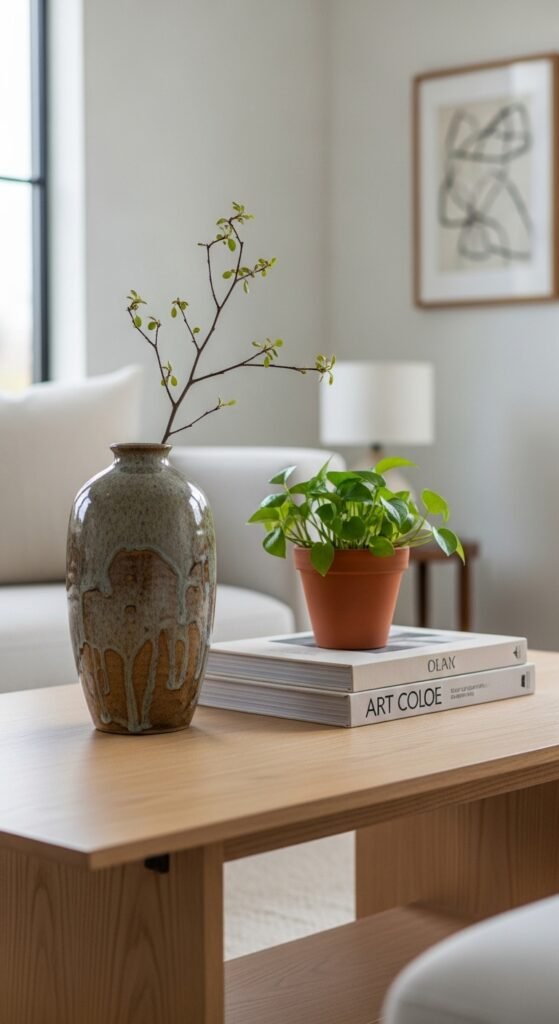
How to Design Cozy Decor for Relaxation

Below, you’ll find simple, practical ways to design cozy decor that supports rest and relaxation—no overwhelm, just intentional comfort.


Start With a Soft, Calming Color Palette

Color sets the emotional tone of a room. For relaxation, think gentle and grounding rather than bold and busy.

Relaxing color ideas include:

  • Warm neutrals like cream, beige, and soft taupe
  • Muted earth tones such as clay, sage, or sand
  • Soft grays with warm undertones

Stick to one main color and build around it with subtle variations. This creates visual calm and prevents the space from feeling cluttered or chaotic.

Tip: If your walls are already neutral, introduce calming color through pillows, throws, or artwork.


Layer Textures to Create Comfort

Texture is one of the most important elements of cozy decor. It adds warmth and softness—even in simple spaces.

Try layering:

  • Knitted or woven throw blankets
  • Plush cushions in different fabrics
  • Natural materials like wood, linen, or wool
Layer Textures to Create Comfort

Mixing textures keeps a neutral space from feeling flat while still maintaining a relaxed vibe. The key is contrast—soft with structured, smooth with cozy.


Choose Lighting That Encourages Rest

Harsh overhead lighting can instantly disrupt a calming atmosphere. Cozy spaces rely on soft, layered lighting instead.

Use a mix of:

  • Table lamps with warm bulbs
  • Floor lamps near seating areas
  • Wall sconces or small accent lights
Choose Lighting That Encourages Rest

Aim for warm light tones rather than bright white. Lighting should feel gentle and inviting, especially in the evening when your body naturally wants to unwind.


Design Cozy Seating for Slow Moments

Comfortable seating invites you to slow down—and that’s exactly what relaxing decor should do.

Focus on:

  • Deep, cushioned seating
  • Chairs with supportive backs
  • Ottomans or poufs to rest your feet

Arrange furniture so it feels welcoming, not stiff. Slight angles, soft curves, and close groupings encourage rest and conversation.

Quick check: If a seat looks nice but doesn’t feel comfortable after 10 minutes, it’s not doing its job.


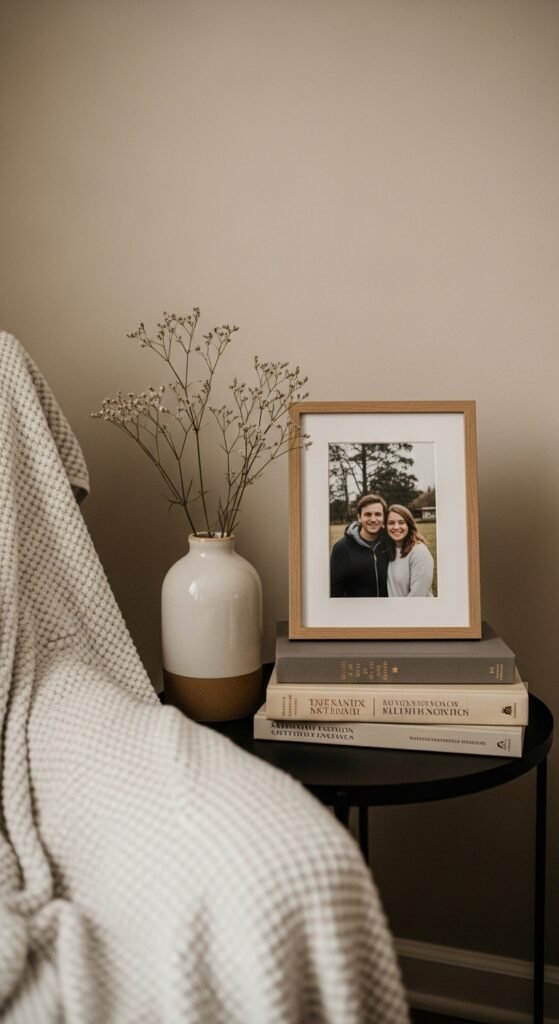
Add Personal Touches That Feel Meaningful

Relaxation comes easier when your space feels personal. Decor with emotional value adds warmth without adding clutter.

Consider:

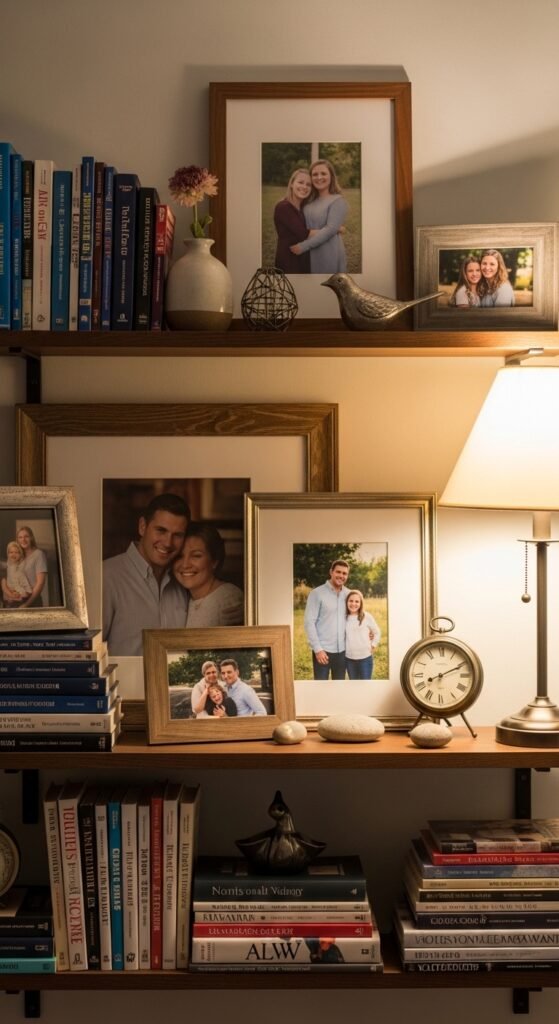
  • A few framed photos with simple frames
  • A favorite book stack
  • Handmade or sentimental objects
Add Personal Touches That Feel Meaningful

Limit personal items to a few thoughtful pieces. Too many can feel visually busy, while a curated selection feels grounding and intentional.


Use Natural Elements to Soften the Space

Nature-inspired decor has a calming effect and instantly makes a room feel more balanced.

Easy ways to bring it in:

  • Potted plants or dried greenery
  • Wooden trays or furniture
  • Stone, ceramic, or clay accessories

Even one or two natural elements can soften a space and make it feel more connected and peaceful.


Keep the Space Clutter-Free and Intentional

A cozy room still needs breathing space. Visual clutter can quietly increase stress—even if the decor is beautiful.

To maintain calm:

  • Clear surfaces before adding decor
  • Choose fewer, larger pieces instead of many small ones
  • Store everyday items out of sight when possible

Cozy doesn’t mean crowded. It means thoughtful, warm, and easy to be in.


Create One Dedicated Relaxation Zone

Instead of redesigning your entire home, start with one intentional area.

This could be:

  • A reading corner
  • A cozy sofa setup
  • A bedroom nook for winding down

Design this spot with comfort first, and let it set the tone for the rest of your space.


Final Takeaway

Designing cozy decor for relaxation is about choosing softness, warmth, and intention over trends. When your home supports rest, it supports you—mentally and emotionally.

Start small. Layer textures, soften your lighting, and surround yourself with items that feel good to live with.

Save this guide for later and come back whenever your space needs a little more calm.

Claire Anderson

How to Create Calm and Cozy Decor at Home

Ever walk into a room and instantly feel your shoulders drop? That calm, cozy feeling isn’t accidental—it’s created through thoughtful decor choices that soothe the senses. The good news? You don’t need a full makeover or a big budget to get there. With a few intentional updates, you can turn any space into a peaceful retreat you actually want to come home to.

how to create calm cozy decor

Below are simple, realistic ways to create calm and cozy decor at home—step by step, room by room.


Start With a Soft, Neutral Foundation

Calm spaces usually begin with a quiet color palette. Neutrals don’t have to feel boring—they create a visual pause that helps everything else feel intentional.

Focus on:

  • Warm whites, soft beige, greige, and muted taupe
  • Gentle contrast instead of bold color clashes
  • Consistency from room to room for flow

If repainting isn’t an option:

  • Add neutral slipcovers
  • Use light-toned curtains
  • Bring in area rugs to soften dark floors

A neutral base lets texture, lighting, and decor shine without overwhelming the room.


Layer Textures for Instant Warmth

Texture is one of the fastest ways to make a home feel cozy without clutter. Mixing materials adds depth while keeping the look calm.

Try layering:

  • Knit or woven throw blankets
  • Linen or cotton pillows
  • Woven baskets for storage
  • Wood, ceramic, and soft fabric accents
Layer Textures for Instant Warmth

Keep textures within a similar color family to maintain a peaceful vibe while still adding interest.


Choose Gentle, Warm Lighting

Lighting can completely change how a space feels. Bright overhead lights often feel harsh, while layered lighting creates comfort.

Aim for:

  • Warm-toned bulbs instead of cool white
  • Table lamps and floor lamps at different heights
  • Soft glow in corners instead of one central light

Place lighting where you relax most:

  • Beside the sofa
  • Near reading chairs
  • On bedside tables
Choose Gentle, Warm Lighting

Soft lighting makes evenings feel slower and more intentional—perfect for winding down.


Style With Intention, Not Excess

A calm home doesn’t feel crowded. Instead of filling every surface, focus on a few meaningful pieces.

When styling shelves or tables:

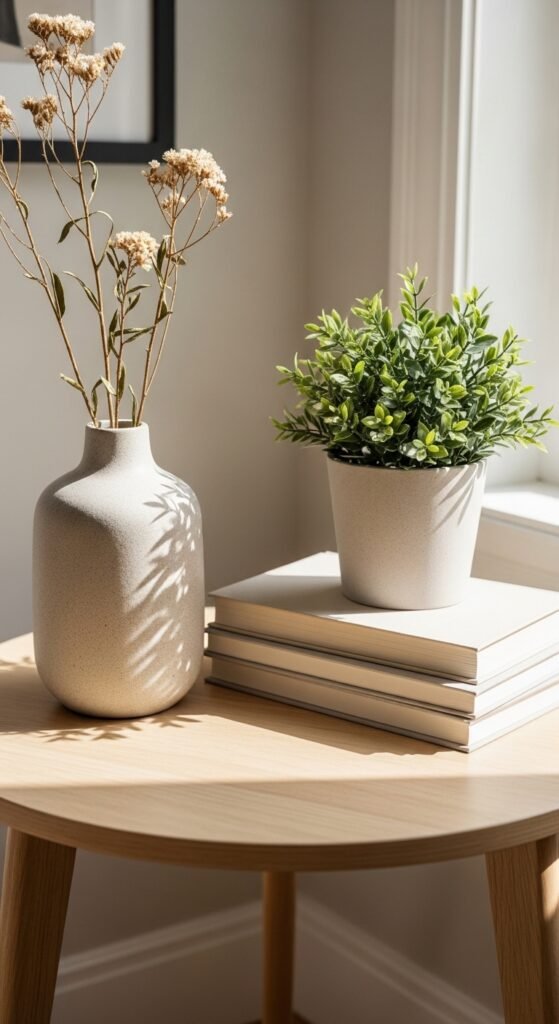
  • Use odd numbers (three items often work best)
  • Mix heights for visual balance
  • Leave breathing room between objects

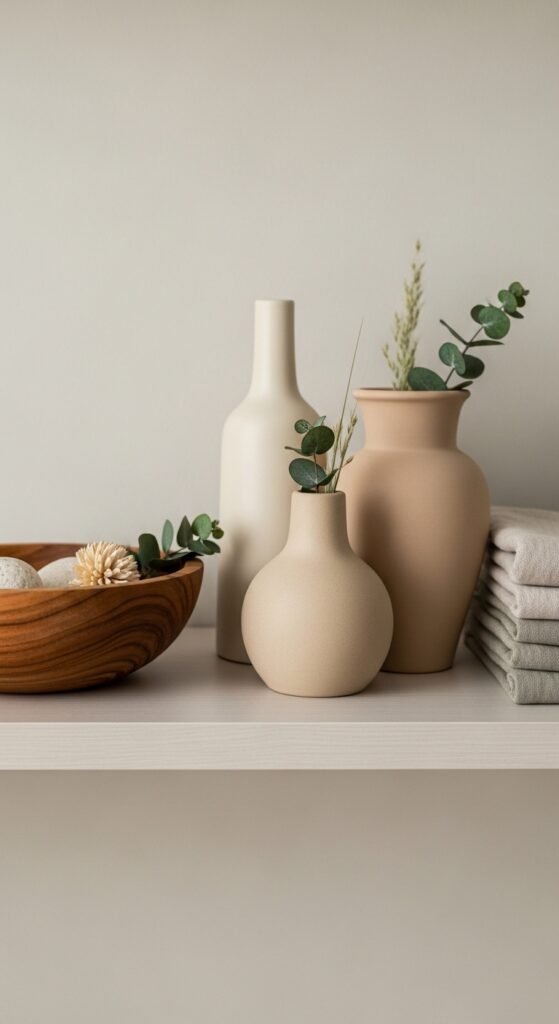
Great decor choices include:

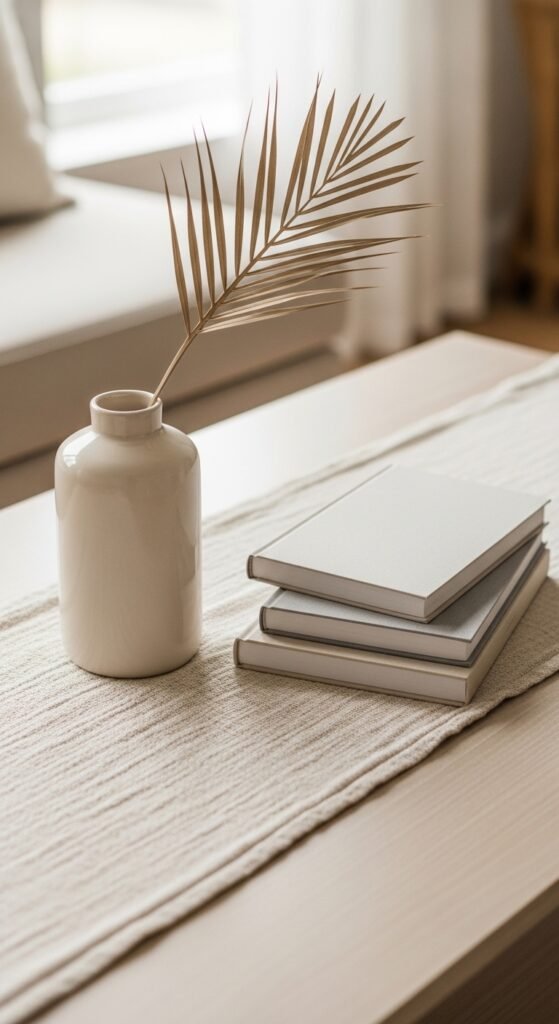
  • Simple vases
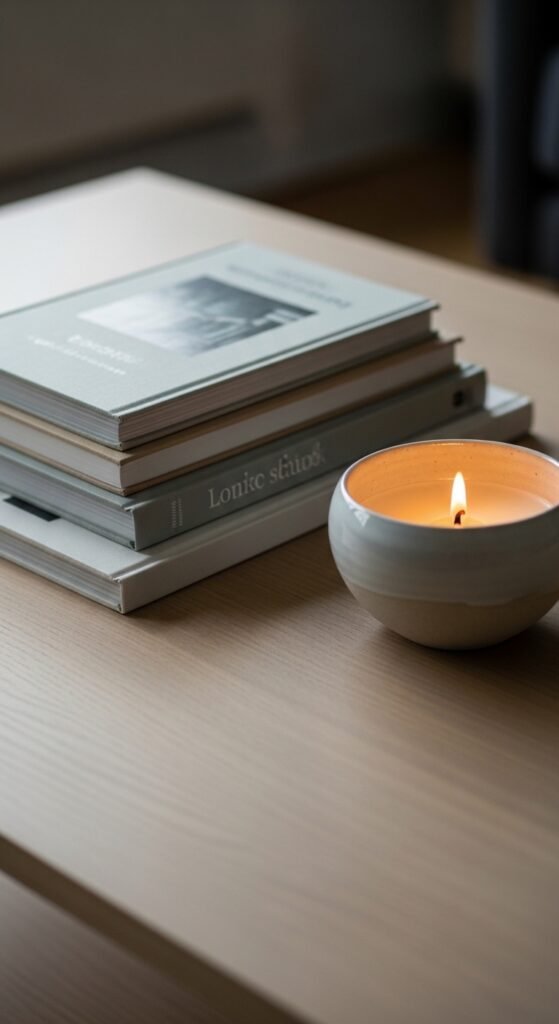
  • Small stacks of books
  • Handmade ceramics
  • Nature-inspired accents
Style With Intention, Not Excess

Editing your decor helps the space feel lighter and easier to enjoy.


Bring Nature Indoors

Natural elements instantly calm a space. Even small touches can make a big difference.

Easy ideas:

  • Houseplants or dried branches
  • Wooden trays or bowls
  • Stone, clay, or woven decor

If you’re short on natural light:

  • Use low-maintenance plants
  • Try dried florals or grasses
  • Choose botanical-inspired textures

Nature-inspired decor adds life without visual noise.


Create Cozy Corners for Daily Moments

Instead of decorating only for looks, design spaces for how you actually live.

Think about:

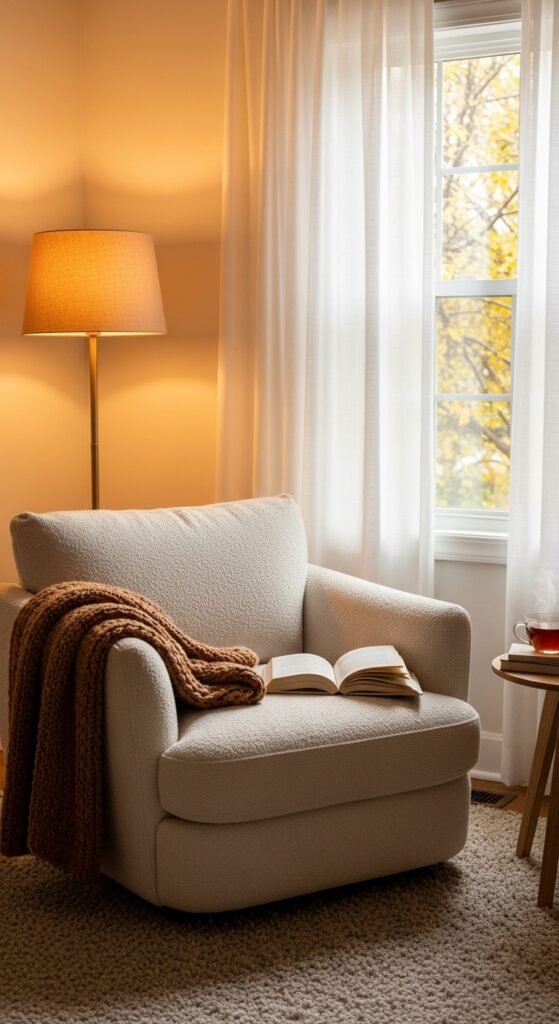
  • A reading corner near a window
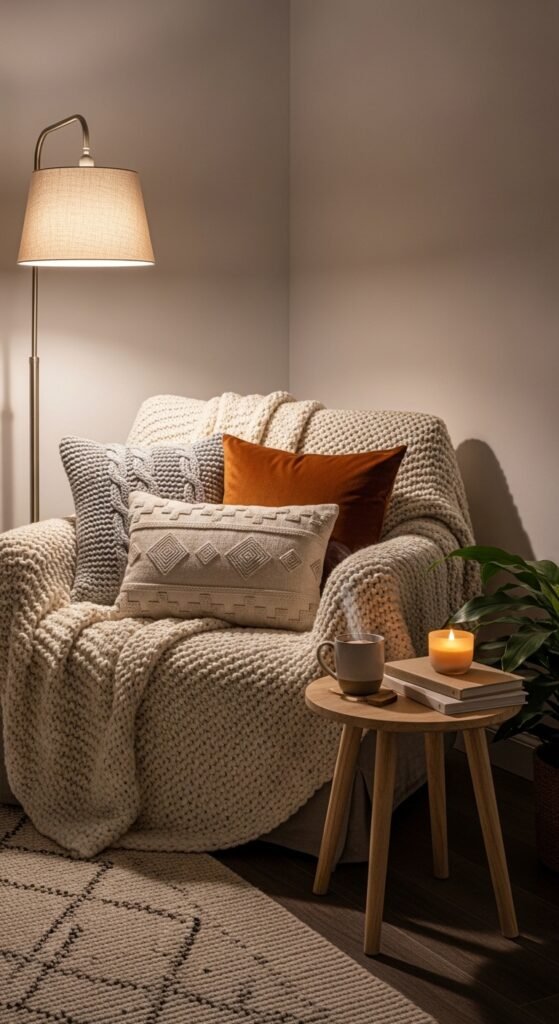
  • A soft chair with a throw nearby
  • A quiet spot for morning routines
Create Cozy Corners for Daily Moments

These cozy corners make your home feel nurturing, not just styled.


Keep It Calm With Simple Scents and Sounds

While decor sets the stage, subtle sensory details complete the experience.

Consider:

  • Soft fabric curtains that move gently
  • Neutral-toned rugs to soften sound
  • Light, clean home scents

Avoid overpowering elements. Calm homes feel balanced, not busy.


Final Thoughts: Create a Home That Feels Like a Pause

Calm and cozy decor isn’t about trends—it’s about how your space makes you feel. By choosing soft colors, layering textures, using gentle lighting, and decorating with intention, you create a home that supports rest and comfort every day.

Save this guide for later and try one small change today—you’ll feel the difference faster than you think.

Claire Anderson

How to Decorate for Comfort Using Cozy Decor

There’s something deeply comforting about walking into a space that instantly makes you exhale. Cozy decor isn’t about trends or perfection—it’s about creating a home that feels safe, warm, and inviting at the end of every long day. With a few thoughtful choices, you can decorate for comfort in a way that feels natural, lived-in, and personal.

how to decorate for comfort cozy

Below are easy, realistic ways to decorate for comfort using cozy decor—no major renovations required.


Start With Soft, Layered Textiles

Comfort almost always begins with texture. Layering soft materials adds instant warmth and makes a room feel welcoming instead of flat.

Think about adding:

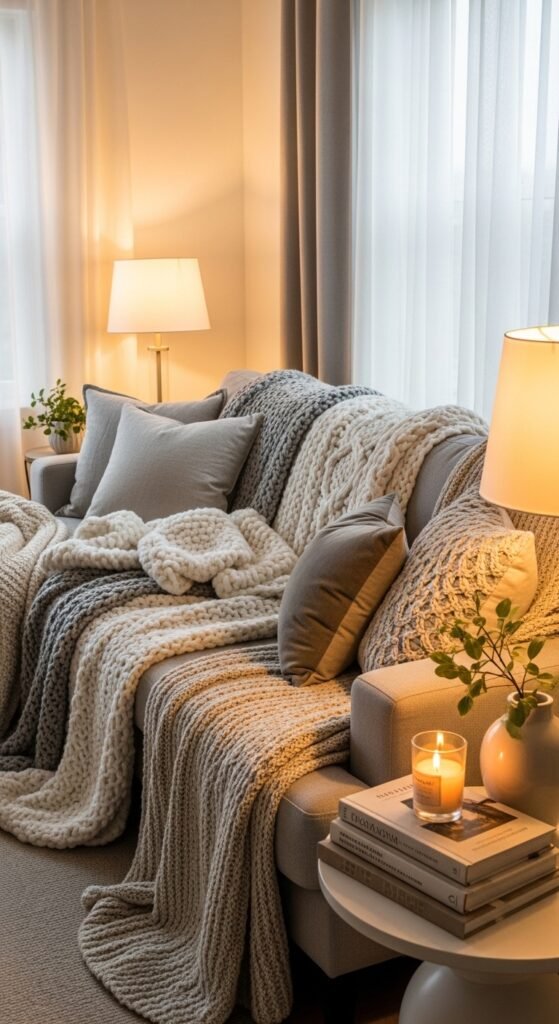
  • Throw blankets draped casually over sofas or chairs
  • Cushions in different fabrics like cotton, knit, or faux shearling
  • Area rugs that feel soft underfoot, even in small spaces

Mix textures rather than matching everything perfectly. A slightly rumpled look actually adds to the cozy effect and makes the space feel more relaxed.

Start With Soft, Layered Textiles

Choose Warm, Gentle Lighting

Lighting plays a huge role in how comfortable a room feels. Bright overhead lights can feel harsh, while softer lighting instantly creates a calmer mood.

To decorate for comfort:

  • Use table lamps and floor lamps instead of relying only on ceiling lights
  • Choose warm-toned bulbs for a softer glow
  • Add small accent lights in corners or on shelves

Lighting doesn’t need to be dramatic. Even one warm lamp in the right spot can completely change how a room feels at night.


Create Cozy Corners for Everyday Living

Comfortable homes often have little corners that feel intentional, even if they’re simple. These spots invite you to slow down.

Ideas for cozy corners:

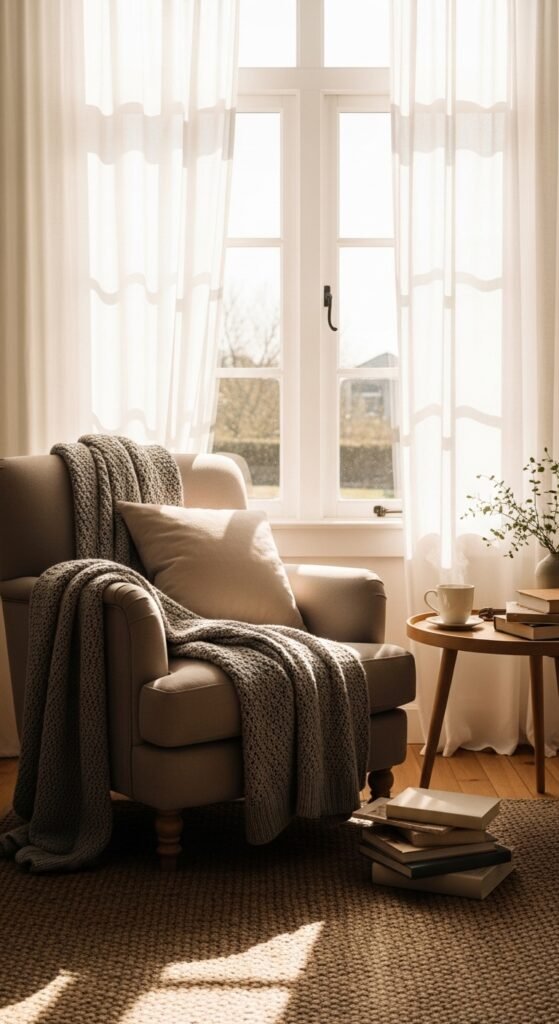
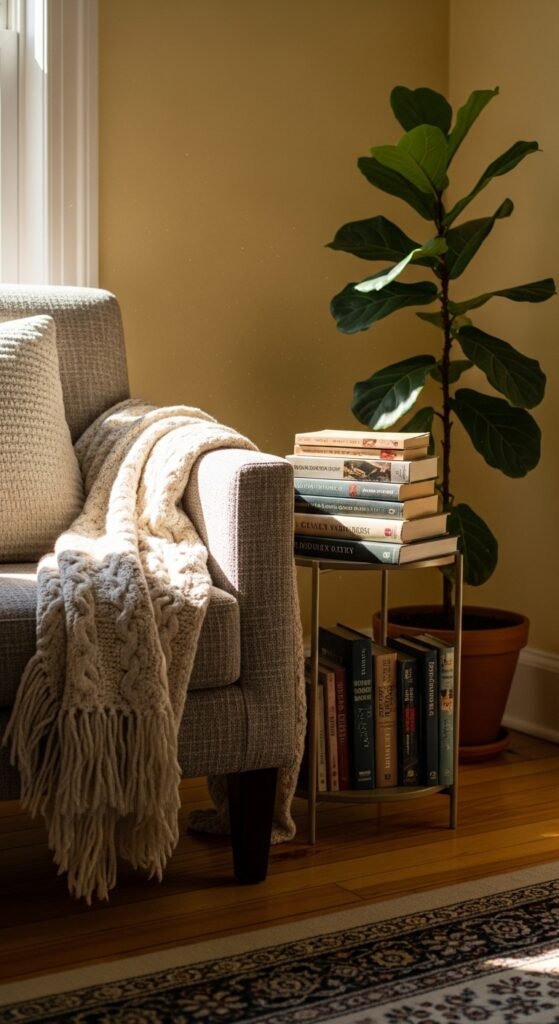
  • A chair with a throw blanket and a small side table
  • A window seat layered with cushions
  • A reading nook with a lamp and a stack of books

These spaces don’t need to be styled perfectly. The goal is to make them usable and comforting, not just decorative.

Create Cozy Corners for Everyday Living

Stick to Calm, Comforting Colors

Color has a big impact on how relaxed a space feels. Cozy decor usually leans toward softer, muted tones rather than bold contrasts.

Comfort-friendly color ideas include:

  • Warm neutrals like beige, cream, and soft gray
  • Earthy shades such as muted brown, clay, or sage
  • Gentle accents instead of sharp pops of color

You don’t have to repaint the entire room. Introducing these tones through pillows, rugs, or decor pieces can shift the mood without overwhelming the space.


Decorate With Meaningful, Personal Items

Comfort comes from familiarity. When a home reflects your life, it naturally feels warmer and more inviting.

Try incorporating:

  • Framed photos or art that brings good memories
  • Books you actually enjoy flipping through
  • Small objects collected over time, not all at once

Avoid filling shelves just to make them look styled. A few meaningful pieces will always feel cozier than a crowded display.

Decorate With Meaningful, Personal Items

Keep Spaces Uncluttered but Lived-In

A cozy home isn’t spotless or empty—it’s balanced. Too much clutter can feel stressful, while overly minimal spaces may feel cold.

To keep things comfortable:

  • Edit decor so each piece has space to breathe
  • Store everyday items in baskets or trays
  • Leave room for natural use and movement

Think “collected over time” instead of “perfectly styled.” Comfort grows when a room feels easy to live in.


Add Small Comfort Details Throughout the Room

Sometimes it’s the little things that make a space feel cozy.

Simple details to try:

  • A tray on the coffee table to gather small items
  • A soft rug beside the bed for mornings
  • Curtains that soften windows and filter light

These touches may seem minor, but together they create a home that feels warm and thoughtful.


Let Comfort Guide Your Choices

The most important rule of cozy decor is this: decorate for how you want to feel. Trends can inspire you, but comfort should always come first.

If something feels inviting, calming, or familiar to you, it belongs in your home. Cozy decor isn’t about copying a look—it’s about creating a space that supports rest, connection, and everyday comfort.

Takeaway: Start small, layer textures, soften your lighting, and add pieces that matter to you. Save this guide and come back whenever your home needs a little extra comfort.

Claire Anderson

How to Choose Decorative Accents for Cozy Decor

Cozy spaces don’t happen by accident. They’re built slowly, one thoughtful detail at a time. Decorative accents are often the quiet heroes of a room—the items that make a space feel warm, lived-in, and personal without overwhelming it.

The trick isn’t adding more decor. It’s choosing the right accents that invite comfort, softness, and intention.

how to choose cozy decorative accents

Below, you’ll find simple, practical ways to choose decorative accents that truly enhance cozy decor—no guesswork required.


Start With Texture, Not Color

When a room feels flat or cold, it’s usually missing texture. Texture adds visual warmth even before color comes into play.

Focus on accents that invite touch:

  • Knit or woven pillows
  • Soft throws with visible stitching
  • Ceramic or stone pieces with a matte finish
  • Baskets, wood, and natural fibers

Mixing textures creates instant depth. Pair something soft with something structured, like a chunky blanket next to a smooth wood surface.

Cozy tip: You don’t need many colors if your textures are varied. Neutral shades feel richer when different materials are layered together.


Choose Fewer, Meaningful Pieces

A cozy home feels calm, not crowded. Instead of filling every surface, select accents that have presence and purpose.

Ask yourself:

  • Does this piece add warmth?
  • Does it feel personal or comforting?
  • Does it support the mood of the room?

A single well-chosen object often works better than three random ones.

Choose Fewer, Meaningful Pieces

Less but better is the rule. Leaving breathing room around accents helps each piece feel intentional.


Layer Soft Accents at Different Heights

Cozy decor works best when softness appears throughout the room—not just on the sofa.

Look for opportunities to layer accents at multiple levels:

  • Floor: poufs, baskets, low stools
  • Seating level: pillows, throws
  • Eye level: wall decor, shelves, mirrors

This creates a gentle flow that makes the space feel wrapped and welcoming.

Layer Soft Accents at Different Heights

Quick win: Add one soft accent where there currently isn’t one, like a bench cushion or a small pillow on a reading chair.


Let Lighting Accents Do the Heavy Lifting

Lighting is one of the most powerful decorative accents for cozy decor. The right light softens everything around it.

Choose lighting accents that feel gentle:

  • Table lamps with warm-toned bulbs
  • Wall sconces with diffused light
  • Small accent lights tucked into corners

Avoid harsh overhead lighting whenever possible. Cozy spaces rely on layers of light, not brightness.

Let Lighting Accents Do the Heavy Lifting

Cozy tip: Lamps are decor too. A beautiful lamp base can act as both a lighting solution and a statement accent.


Add Natural Elements for Instant Warmth

Nature-inspired accents bring organic comfort into any room. They soften modern lines and make spaces feel grounded.

Easy options include:

  • Wooden bowls or trays
  • Dried branches or greenery
  • Stone, clay, or ceramic decor
  • Linen or cotton fabrics

Natural materials age beautifully and blend effortlessly with almost any style.

Add Natural Elements for Instant Warmth

You don’t need a lot—just enough to balance polished surfaces with something earthy.


Repeat Accents to Create Flow

Cozy rooms feel connected, not scattered. Repeating similar accents throughout the space helps everything feel cohesive.

You might repeat:

  • The same texture (like knit or linen)
  • The same material (wood, ceramic, metal)
  • The same shape or tone

For example, a ceramic vase on a shelf and a ceramic lamp base across the room quietly tie the space together.

Design secret: Repetition doesn’t mean matching exactly. It means echoing a feeling.


Trust the “Would I Relax Here?” Test

When in doubt, step back and ask one simple question: Would I want to curl up here?

If an accent feels stiff, overly shiny, or purely decorative, it may not belong in a cozy space. Cozy decor should support comfort first and style second.


Final Takeaway

Choosing decorative accents for cozy decor isn’t about trends or perfection. It’s about warmth, softness, and intention. Focus on texture, meaningful pieces, gentle lighting, and natural elements—and let each accent earn its place.

Save this guide for your next decorating refresh, and start building cozy one thoughtful detail at a time.

Claire Anderson

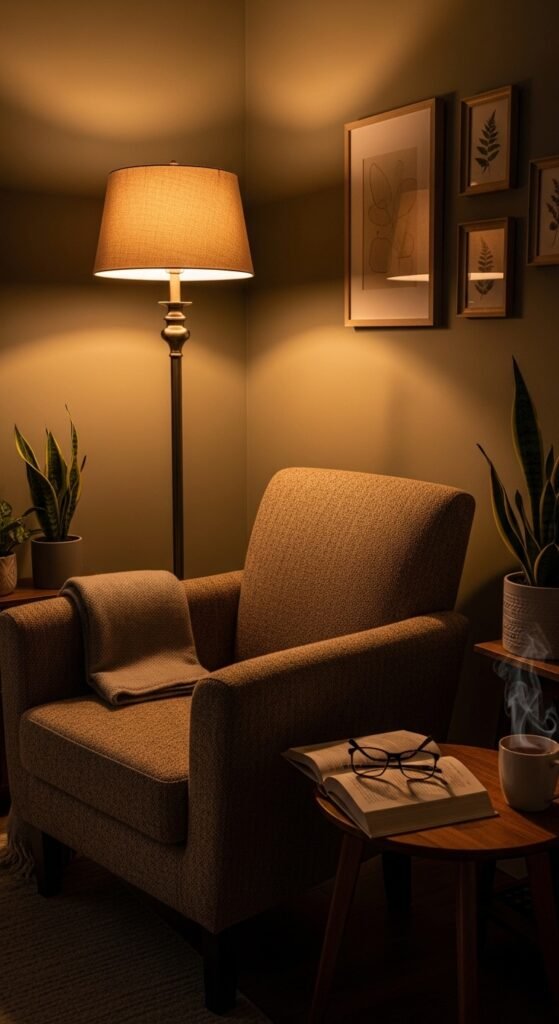
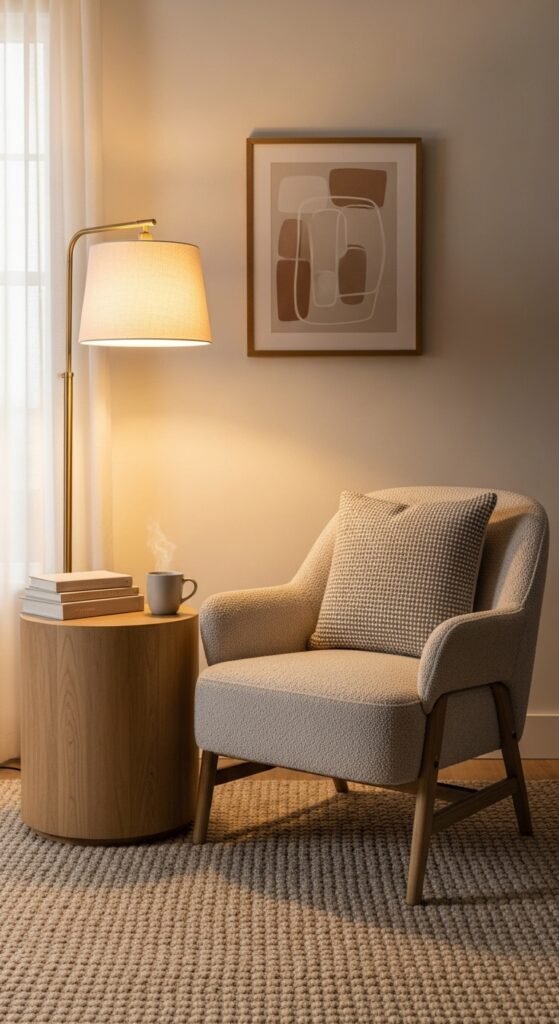
How to Style Cozy Home Corners That Feel Intentional

Some of the coziest homes aren’t packed with furniture—they’re filled with thoughtful moments. A quiet corner by a window. A chair that invites you to pause. A small setup that feels styled, not accidental. Cozy home corners add warmth and personality without overwhelming your space, and when they’re done intentionally, they can become your favorite spots in the house.

How to Style Cozy Home Corners

The secret isn’t buying more décor. It’s learning how to layer comfort, purpose, and balance in just a few square feet. Here’s how to style cozy home corners that feel calm, personal, and perfectly put together.


Start With a Purpose for the Corner

Before styling anything, decide what this corner is meant for. Purpose gives direction, and direction makes a space feel intentional.

Ask yourself:

  • Is this a reading nook?
  • A quiet morning coffee spot?
  • A decorative pause in an open room?
  • A relaxation zone for evenings?

Once you define the function, styling decisions become easier.

For example:

  • Reading corner → chair, light, books
  • Decorative corner → art, plant, texture
  • Relaxation nook → soft seating, layered textiles

A corner without purpose often feels unfinished. A corner with intention instantly feels cozy.


Choose One Anchoring Piece

Every styled corner needs a focal point. This is the anchor that grounds the space and sets the tone.

Common anchor pieces include:

  • A comfortable armchair or accent chair
  • A small bench or stool
  • A slim console or side table
  • A floor cushion or pouf

Choose one main piece to avoid visual clutter. The goal is calm, not crowded.

Choose One Anchoring Piece

Once your anchor is in place, everything else should support it—not compete with it.


Layer Textures for Instant Warmth

Texture is what transforms a styled corner into a cozy one. Even simple spaces feel warmer when soft, touchable elements are layered thoughtfully.

Add texture with:

  • Knit or woven throws
  • Linen or boucle cushions
  • Woven baskets
  • Ceramic or wood accessories

Stick to 2–3 textures to keep things cohesive. Too many materials can feel busy, while too few may feel flat.

Tip: Mix smooth and tactile finishes—like a sleek table paired with a chunky throw—for balance.


Use Vertical Space to Add Depth

Corners often feel empty because the vertical space is ignored. Drawing the eye upward helps the corner feel complete.

Easy vertical elements:

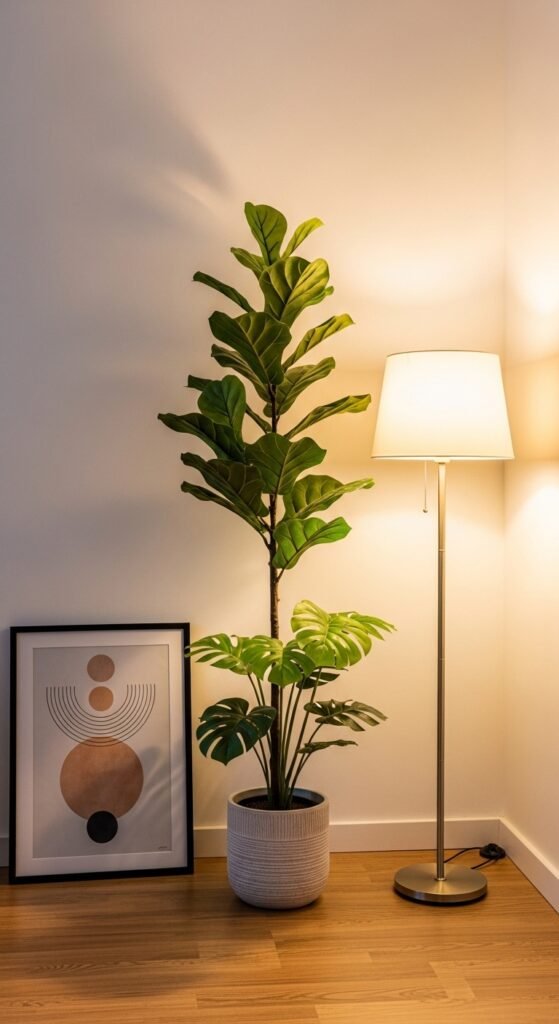
  • Floor lamps
  • Framed art or prints
  • Floating shelves
  • Tall plants
Use Vertical Space to Add Depth

Keep it light and intentional. One vertical element is often enough to define the space without overwhelming it.


Add Soft Lighting for Cozy Atmosphere

Lighting is what makes a corner feel inviting at any time of day. Harsh overhead light can flatten the mood, while soft lighting adds depth and warmth.

Try:

  • Floor lamps with warm bulbs
  • Table lamps with fabric shades
  • Wall sconces near seating
  • Small accent lights tucked beside décor

Choose lighting that feels gentle rather than bright. The goal is a glow, not a spotlight.


Style With the Rule of Three

When adding décor to a corner, less is more—but thoughtful grouping matters.

The rule of three works beautifully:

  • One functional item (lamp, tray, book)
  • One decorative object (vase, sculpture)
  • One natural element (plant, dried stems)
Style With the Rule of Three

Vary heights and shapes to keep the setup visually interesting while still calm.


Keep the Color Palette Calm and Cohesive

Intentional corners usually feel cohesive because the colors are controlled.

Stick to:

  • Neutral bases like beige, cream, or soft gray
  • One accent tone for warmth or contrast
  • Natural materials to soften the palette

This doesn’t mean everything must match. It means everything should belong together.

If your room already has color, echo it subtly in the corner through textiles or small accents.


Let Negative Space Do Its Job

One of the most overlooked elements of intentional styling is space itself.

Don’t feel pressure to fill every inch. Leaving breathing room:

  • Makes the corner feel peaceful
  • Highlights your chosen pieces
  • Prevents visual overwhelm

A cozy corner should feel like an exhale, not a display shelf.


Finish With One Personal Touch

The final layer is what makes the corner feel like yours.

Consider adding:

  • A favorite book
  • A framed photo
  • A meaningful object
  • Something handmade or collected

This small detail turns a styled corner into a lived-in one.


Final Takeaway

Cozy home corners don’t need to be large, expensive, or dramatic. They just need intention. When you start with purpose, anchor the space, layer texture, and keep things simple, even the smallest corner can feel warm and complete.

Save this guide for later and start turning overlooked corners into your favorite cozy spots around the house.

Claire Anderson

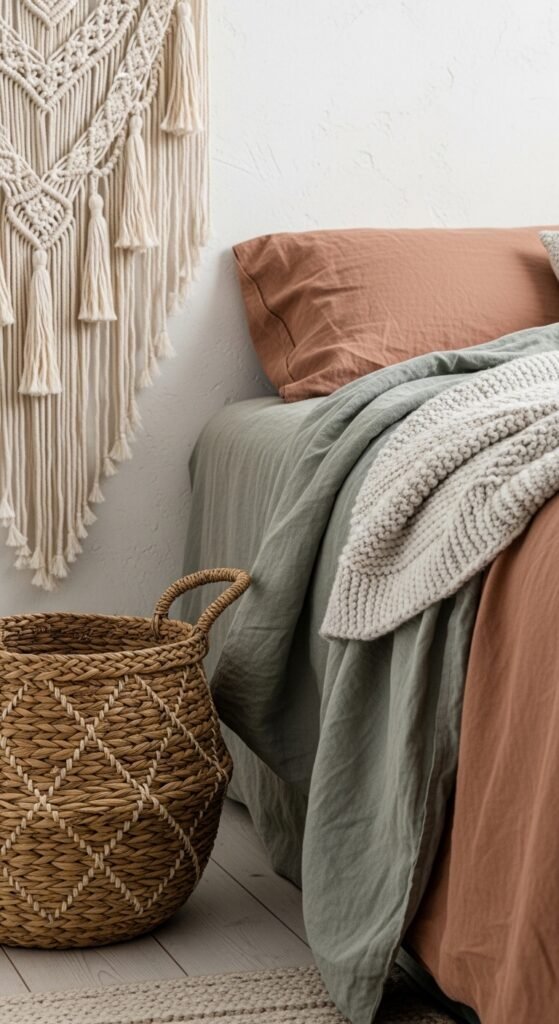
How to Style a Cozy Boho Bedroom

Boho bedrooms have a way of feeling both relaxed and deeply personal—like a space that tells your story without trying too hard. The cozy boho look blends soft textures, earthy colors, and collected details that make a bedroom feel warm, inviting, and effortlessly styled.

how to style cozy boho bedroom

If your goal is a bedroom that feels calm, creative, and comforting, this guide will walk you through simple steps to get there. No strict rules, no matching sets—just thoughtful layers that feel lived-in and cozy.


Start With a Warm, Earthy Color Palette

A cozy boho bedroom begins with color. Instead of bold contrasts, think soft and grounded tones that instantly relax the space.

Great boho-friendly colors include:

  • Warm whites and creams
  • Soft beige, sand, and taupe
  • Terracotta, clay, and muted rust
  • Sage green or dusty olive

Use lighter shades for walls and bedding, then layer in deeper tones through pillows, throws, and décor. This keeps the room from feeling heavy while still adding depth.

Tip: If your walls are already neutral, focus on warmth through textiles rather than repainting.


Layer Bedding for That Effortless Boho Feel

Layered bedding is the heart of a cozy boho bedroom. It should look inviting, slightly imperfect, and easy to sink into.

Layer Bedding for That Effortless Boho Feel

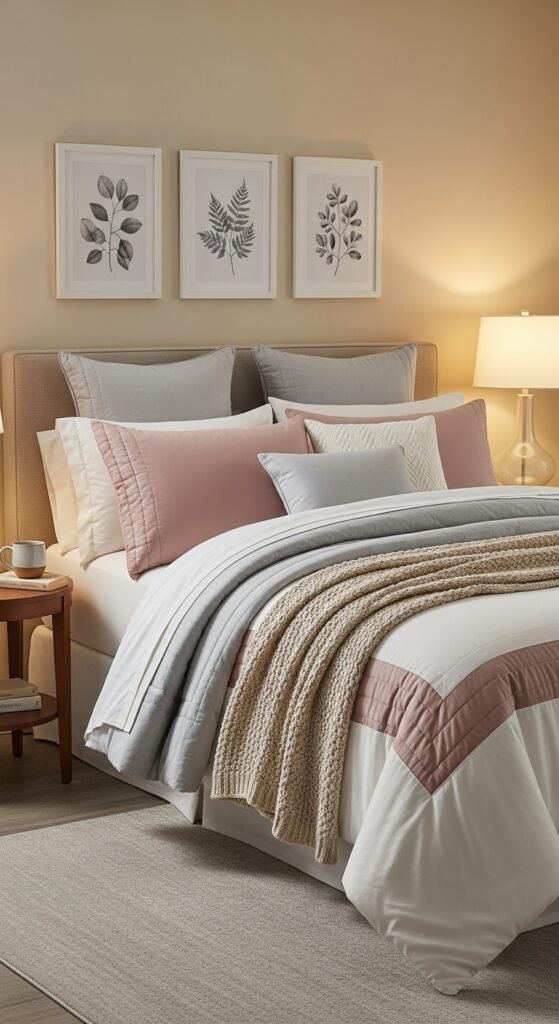
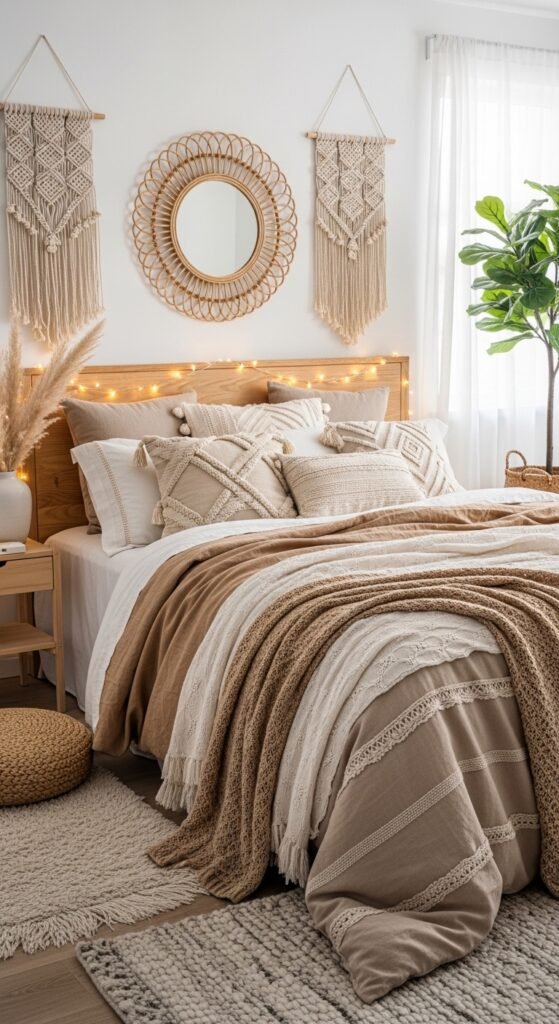
Try this simple layering formula:

  • Start with soft cotton or linen sheets
  • Add a lightweight quilt or coverlet
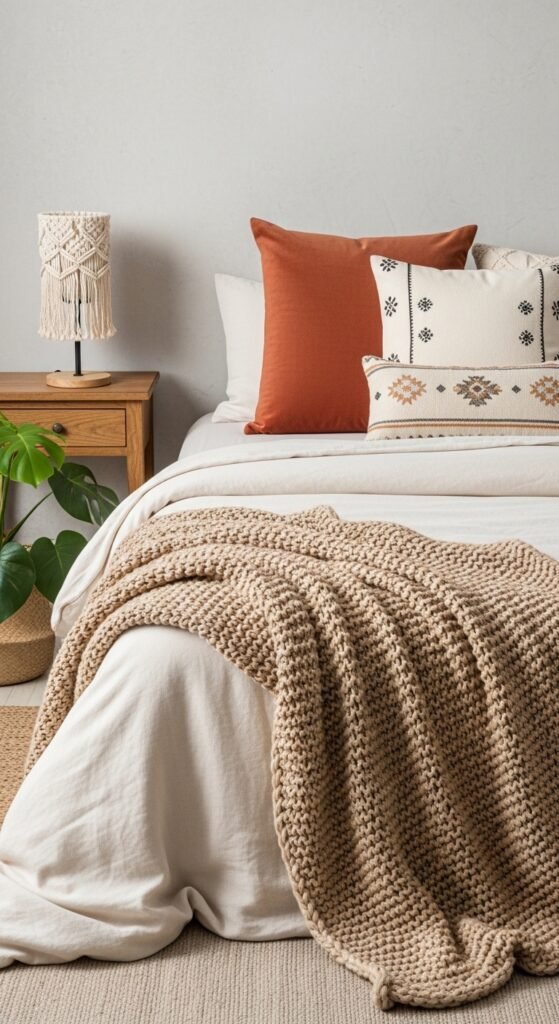
  • Drape a textured throw or blanket across the foot of the bed
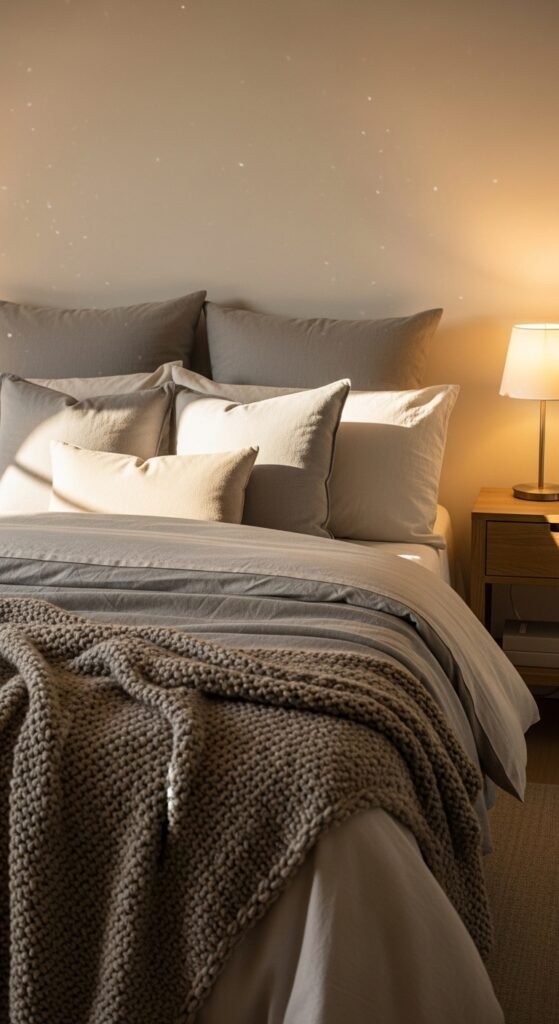
  • Finish with a mix of pillows in different sizes and fabrics

Mix textures like linen, knit, and subtle patterns. Everything doesn’t need to match—variety is what makes it feel boho.


Mix Textures to Add Depth and Comfort

Boho style thrives on texture. Even a neutral bedroom feels cozy when different materials are layered together.

Easy ways to add texture:

  • Woven baskets for storage
  • Macramé or fabric wall hangings
  • Rattan or cane furniture
  • Knitted poufs or floor cushions
Mix Textures to Add Depth and Comfort

When mixing textures, keep the color palette consistent. This prevents the room from looking cluttered while still feeling rich and layered.


Choose Furniture With a Collected Look

Boho bedrooms avoid overly sleek or modern furniture. Instead, they favor pieces that feel timeless and slightly imperfect.

Look for:

  • Natural wood bed frames
  • Vintage or thrifted nightstands
  • Simple dressers with visible grain
  • Low-profile furniture for a relaxed vibe

You don’t need a full matching set. In fact, mismatched furniture adds to the charm. Balance it by keeping shapes simple and finishes warm.


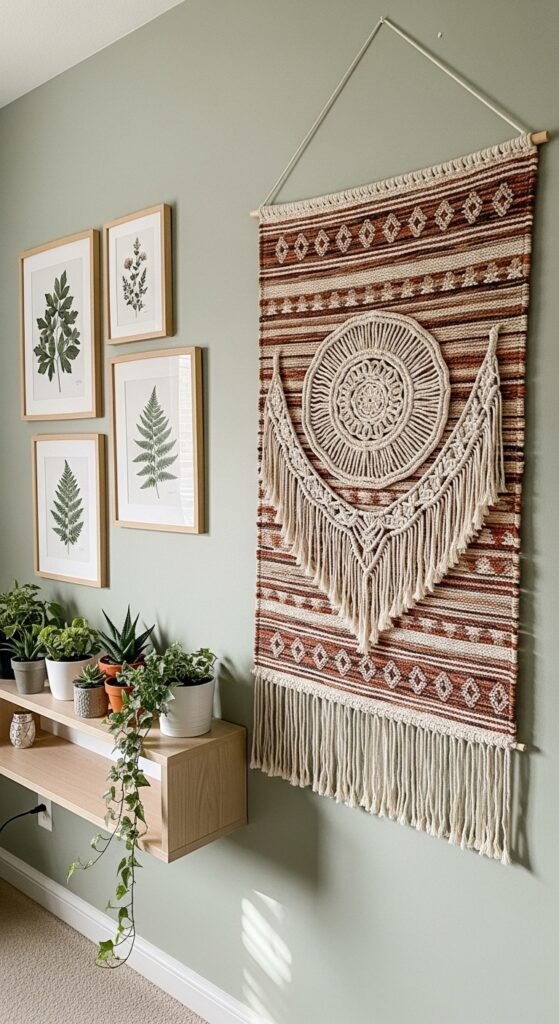
Style the Walls With Purpose

Bare walls can make a bedroom feel unfinished, but overfilled walls can feel busy. The key is intentional styling.

Style the Walls With Purpose

Ideas for boho wall décor:

  • A single large textile or tapestry above the bed
  • A small gallery of neutral art or photography
  • Floating shelves with plants and handmade objects

Leave some negative space. Boho style is relaxed, not crowded.


Bring in Soft, Cozy Lighting

Lighting sets the mood more than almost anything else. Cozy boho bedrooms rely on warm, layered light instead of harsh overhead fixtures.

Try incorporating:

  • Bedside lamps with fabric or woven shades
  • String lights draped along the headboard or wall
  • Small table lamps on dressers or shelves

Choose warm-toned bulbs to create a soft glow, especially in the evening.


Add Plants for Life and Balance

Plants instantly soften a bedroom and bring in that boho, nature-inspired feel. Even one or two can make a big difference.

Easy bedroom-friendly options:

  • Potted plants on nightstands or dressers
  • Hanging planters near windows
  • Dried grasses or branches for low maintenance

If live plants aren’t an option, realistic faux greenery still adds texture and warmth.


Finish With Personal, Meaningful Details

The final step is what makes the space truly yours. Cozy boho bedrooms feel personal, not styled straight from a catalog.

Add:

  • Books you actually love
  • Handmade or travel souvenirs
  • Candles or decorative objects with texture
  • A favorite throw or pillow you reach for daily

Keep editing as you go. If something feels unnecessary, remove it. Cozy boho style is about comfort first.


The Takeaway

Styling a cozy boho bedroom is all about layering warmth, texture, and personality. Start with soft colors, build comfort through textiles, and finish with details that feel meaningful to you.

Save this guide for later and take it one step at a time—your cozy boho retreat will come together naturally.

Claire Anderson

How to Create Cozy Decor in a Neutral Apartment

A neutral apartment doesn’t have to feel plain or cold. With the right layers, textures, and thoughtful details, soft beiges, warm whites, and muted grays can feel incredibly inviting. Cozy decor is less about bold color and more about how a space feels when you walk in—comfortable, calm, and lived-in.

how to decorate a cozy neutral apartment

Below are simple, renter-friendly ways to turn a neutral apartment into a cozy retreat—without overwhelming the space.


Start With Soft, Layered Textiles

Nothing adds warmth faster than textiles. In a neutral apartment, fabrics create contrast and depth while keeping the color palette calm.

Focus on:

  • Throw blankets in chunky knits or brushed fabrics
  • Pillow covers in linen, boucle, or subtle patterns
  • Area rugs with low-pile texture or soft woven detail

Layering is key. Place a rug under the sofa, then add pillows in slightly different shades of the same neutral family. This keeps things cohesive while avoiding a flat look.

Start With Soft, Layered Textiles

Warm Up the Space With Lighting

Overhead lighting alone can make even the nicest apartment feel stark. Cozy spaces rely on layered lighting instead.

Try mixing:

  • Table lamps with warm-toned bulbs
  • Floor lamps tucked into corners
  • Small accent lamps on shelves or consoles

Aim for pools of light rather than one bright source. Warm lighting softens neutral walls and makes evenings feel calm and relaxing.

Warm Up the Space With Lighting

Add Natural Elements for Balance

Neutral apartments come alive when you bring in organic materials. These elements ground the space and prevent it from feeling overly styled.

Easy options include:

  • Wood trays or stools
  • Woven baskets for storage
  • Dried stems or simple greenery in neutral planters

You don’t need a lot. Even one or two natural pieces can break up smooth surfaces and add warmth.

Add Natural Elements for Balance

Style Surfaces With Intention (Not Clutter)

Cozy doesn’t mean crowded. In neutral spaces, less is more—but every item should feel intentional.

When styling tables or shelves:

  • Group items in threes for balance
  • Mix heights (books, candles, small decor)
  • Leave breathing room between objects

Stick to a tight color range and vary textures instead. This keeps the look calm while still visually interesting.

Style Surfaces With Intention (Not Clutter)

Use Wall Decor to Add Soft Contrast

Bare walls can make an apartment feel unfinished. Wall decor adds personality without disrupting a neutral palette.

Consider:

  • Framed art in muted tones
  • Textured wall hangings
  • Simple mirrors to reflect light

Choose frames in wood, soft black, or brushed metal. Keep spacing generous so the walls don’t feel crowded.


Make Seating Feel Inviting

If a space looks comfortable, it feels comfortable. Focus on making seating areas welcoming.

Simple tricks:

  • Angle chairs slightly inward
  • Add a pillow to every seat
  • Drape a throw within easy reach

This subtle styling encourages you—and guests—to actually sit down and relax.


Embrace Imperfection for a Lived-In Look

Perfectly styled rooms often feel cold. Cozy spaces feel human.

Don’t be afraid to:

  • Leave a book on the sofa
  • Let blankets fold naturally
  • Mix old pieces with new ones

These small imperfections make a neutral apartment feel like a home, not a showroom.


Stick to a Warm Neutral Palette

Not all neutrals feel cozy. Warm undertones make a big difference.

Lean toward:

  • Cream instead of stark white
  • Beige instead of cool gray
  • Soft taupe instead of charcoal

When in doubt, test items in natural light. Warm neutrals will feel softer and more inviting throughout the day.


Final Thoughts: Cozy Is a Feeling, Not a Formula

Creating cozy decor in a neutral apartment isn’t about buying more—it’s about layering thoughtfully, choosing warmth over perfection, and letting your space evolve naturally. Small changes can make a big impact, especially when you focus on comfort and texture.

Save this guide for later and start with just one corner. Cozy builds one layer at a time

Claire Anderson

How to Layer Bedroom Decor for a Cozy Look

There’s something magical about walking into a bedroom that instantly feels warm, soft, and inviting. Cozy bedrooms don’t happen by accident—they’re created through thoughtful layering. From textiles to lighting, layering adds depth, comfort, and personality without making the space feel cluttered.

how to layer bedroom decor cozy

If your bedroom feels flat or unfinished, this guide will show you exactly how to layer decor step by step for a cozy look you’ll love coming home to.


Start With a Soft, Layered Bed Foundation

The bed is the heart of a cozy bedroom, so this is where layering begins.

Start with high-quality basics:

  • A fitted sheet in a soft, breathable fabric
  • A flat sheet that feels good against your skin
  • A lightweight blanket or coverlet

From there, build upward:

  • Add a comforter or duvet for volume
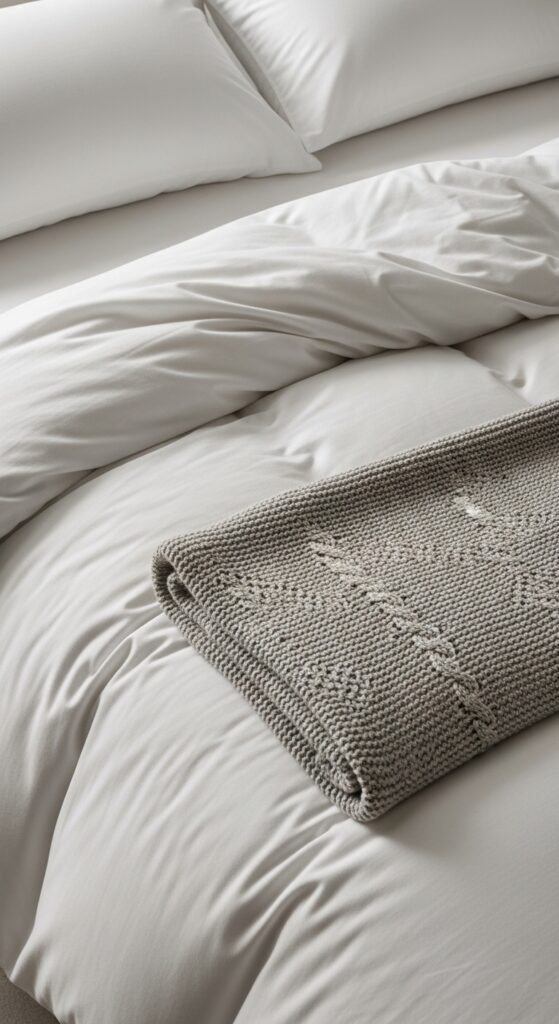
  • Layer a quilt or throw blanket across the foot of the bed for contrast

Mix textures instead of matching everything perfectly. A smooth cotton sheet paired with a slightly textured quilt creates visual warmth without feeling heavy.

Start With a Soft, Layered Bed Foundation

Pile On Pillows (But Keep It Practical)

Pillows are one of the easiest ways to add instant coziness.

Use a simple layering formula:

  • Sleeping pillows against the headboard
  • Euro or large square pillows for height
  • Decorative pillows for texture and personality

You don’t need a mountain of pillows—three to five well-chosen options often feel more intentional than too many.

Look for:

  • Linen, velvet, or boucle textures
  • Subtle patterns like stripes or soft geometrics
  • Warm, muted colors that complement your bedding

When the colors stay within a calm palette, even layered pillows feel relaxing instead of busy.


Layer Rugs for Warmth Underfoot

Rugs aren’t just for living rooms—they’re essential for cozy bedrooms.

If your room allows:

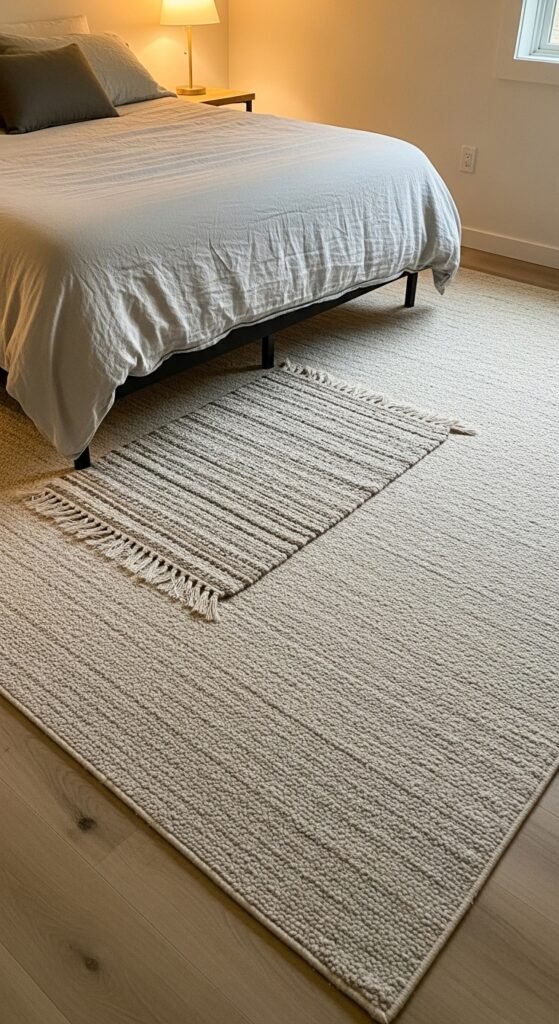
  • Place a large area rug under the bed so it extends on both sides
  • Add a smaller accent rug near the bed or seating area

Layering rugs adds depth and keeps the room from feeling cold, especially in the morning.

Layer Rugs for Warmth Underfoot

Choose rugs with:

  • Soft pile or woven texture
  • Neutral or earthy tones
  • Subtle patterns that don’t overpower the space

Mix Lighting for a Soft, Relaxing Glow

Lighting is one of the most overlooked layers in bedroom decor.

Instead of relying on one overhead light, combine:

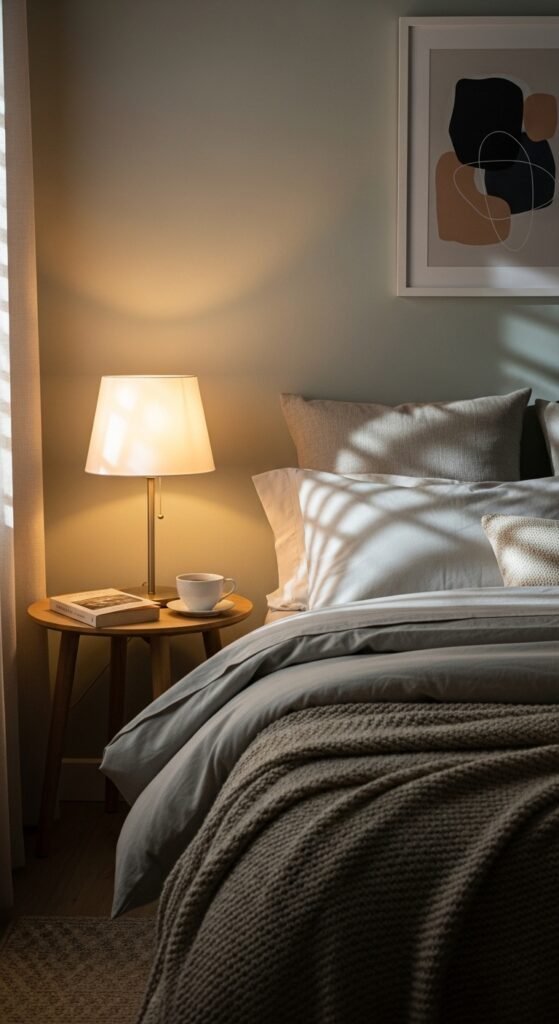
  • Bedside lamps for function
  • A floor lamp or wall sconce for ambiance
  • Soft accent lighting for warmth

Warm light instantly makes a room feel more inviting. It also highlights all the textures you’ve layered throughout the space.

Mix Lighting for a Soft, Relaxing Glow

Pro tip: Lamps with fabric shades soften light better than harsh, exposed bulbs.


Add Texture Through Small Decor Pieces

This is where your bedroom starts to feel personal.

Layer decor intentionally:

  • A stack of books on the nightstand
  • A ceramic tray to hold everyday items
  • A soft throw draped over a chair or bench

Think in terms of contrast:

  • Smooth surfaces next to rough textures
  • Soft fabrics paired with wood or metal
Add Texture Through Small Decor Pieces

Keep decor minimal, but meaningful. Cozy doesn’t mean crowded.


Finish With Wall Layers and Personal Touches

Walls are often left bare, but they’re an important final layer.

Consider:

  • Framed artwork or photography
  • A textile wall hanging
  • A mirror to reflect light and add depth

Even one or two well-placed pieces can make the room feel complete.

Personal touches matter most:

  • Items that tell a story
  • Pieces collected over time
  • Decor that makes you feel calm and comfortable

When your bedroom reflects you, it naturally feels cozier.


The Cozy Bedroom Layering Checklist

Before you’re done, ask yourself:

  • Does the bed feel plush and inviting?
  • Are there multiple textures throughout the room?
  • Is the lighting soft and warm?
  • Does the space feel calm instead of cluttered?

If you can say yes, you’ve layered your bedroom successfully.


Final Takeaway

Layering bedroom decor isn’t about buying more—it’s about combining textures, light, and comfort thoughtfully. Start with the bed, build warmth from the floor up, and finish with personal details that make the space feel lived-in and loved.

Save this guide for later and come back to it whenever your bedroom needs a cozy refresh

Claire Anderson
« Previous Page
Next Page »

Primary Sidebar

More to See

27 Simple Tiny Hallway Ideas for Better Function and Flow

27 Simple Tiny Hallway Ideas for Better Function and Flow

March 26, 2026 By Claire Anderson

20 Aesthetic Small Apartment Hallway Ideas for a Stylish Rental Refresh

20 Aesthetic Small Apartment Hallway Ideas for a Stylish Rental Refresh

March 12, 2026 By Claire Anderson

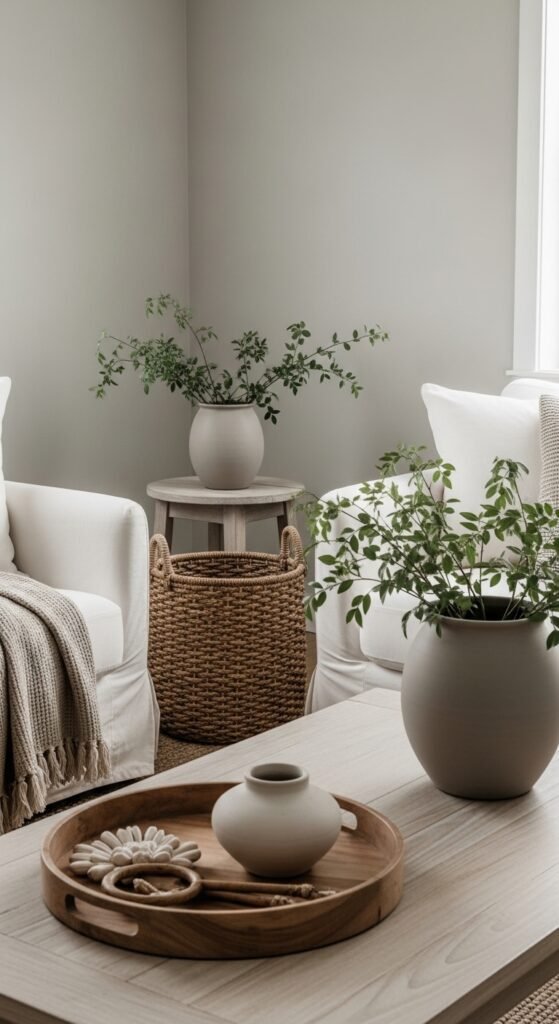
23 Trendy Modern Small Hallway Ideas for a Clean and Sleek Upgrade
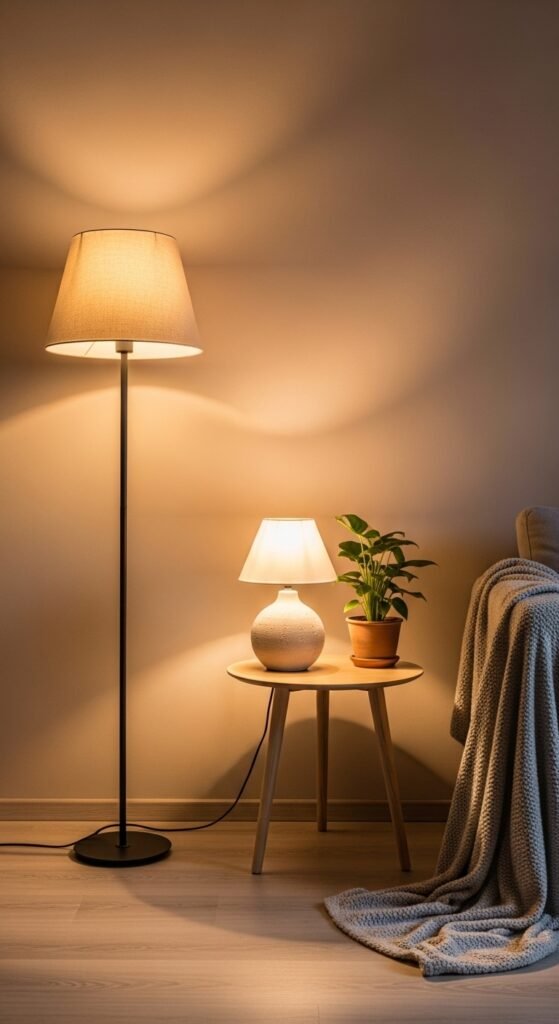
23 Trendy Modern Small Hallway Ideas for a Clean and Sleek Upgrade
March 26, 2026 By Claire Anderson
21 Elegant Small Entrance Hallway Ideas for a Welcoming Home Update

21 Elegant Small Entrance Hallway Ideas for a Welcoming Home Update

March 12, 2026 By Claire Anderson

24 Genius Small Hallway Ideas for a Bigger and Brighter Entry

24 Genius Small Hallway Ideas for a Bigger and Brighter Entry

April 1, 2026 By Claire Anderson

21 Elegant Victorian Living Room Decor Ideas for a Rich Layered Style

21 Elegant Victorian Living Room Decor Ideas for a Rich Layered Style

March 12, 2026 By Claire Anderson

22 Gorgeous Victorian Living Room Ideas for a Timeless and Cozy Look

22 Gorgeous Victorian Living Room Ideas for a Timeless and Cozy Look

April 7, 2026 By Claire Anderson

Copyright © 2025 · Haven Only