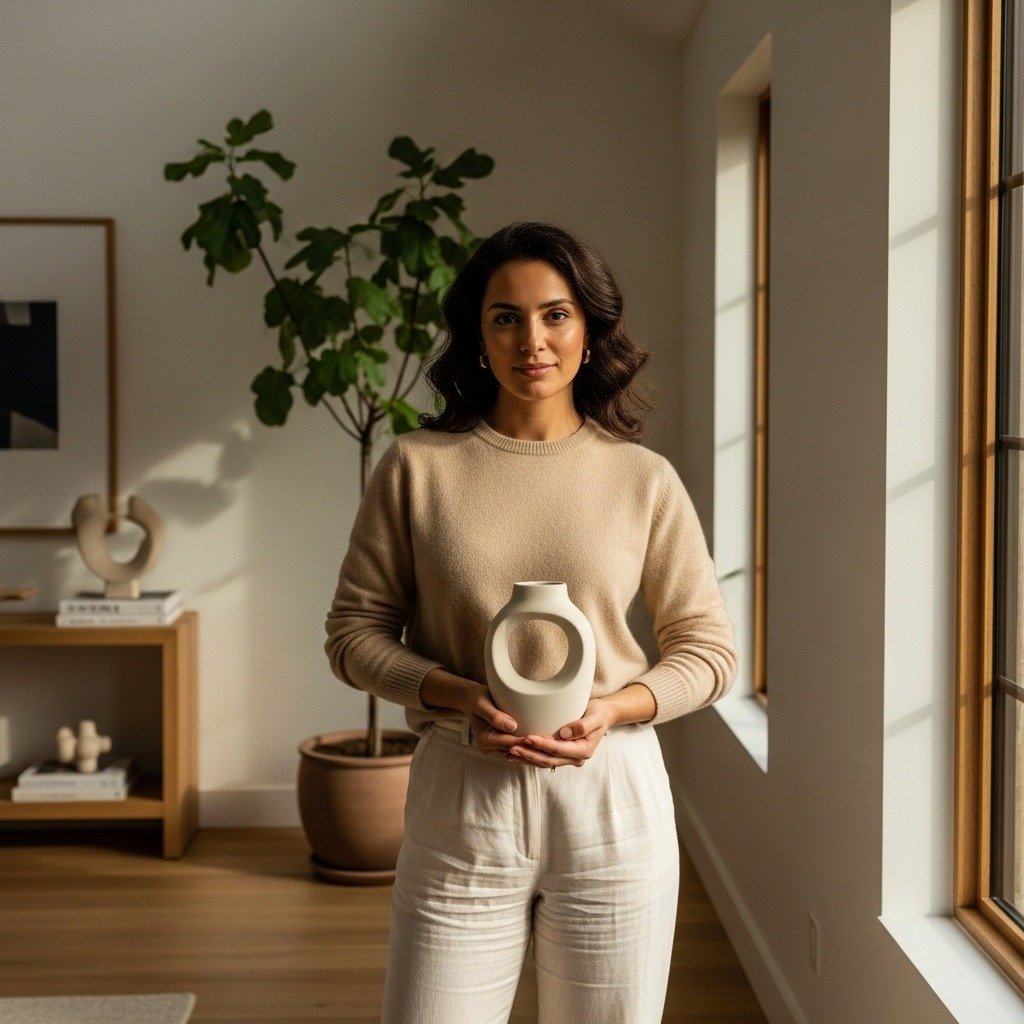
There’s something deeply comforting about walking into a space that instantly helps you exhale. Cozy decor isn’t just about looks—it’s about how a room makes you feel. When designed with relaxation in mind, your home can become a calm retreat from busy days and noisy thoughts.
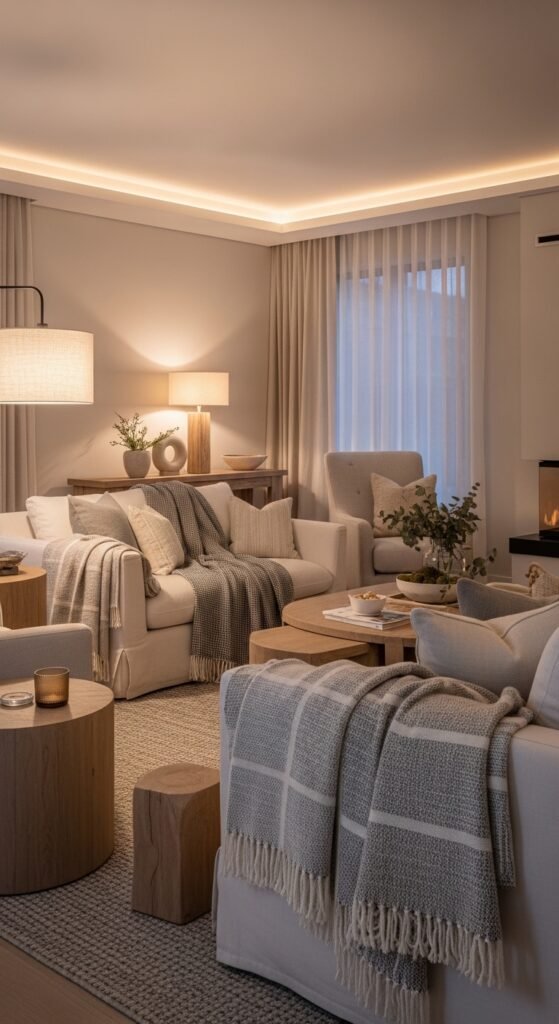
Below, you’ll find simple, practical ways to design cozy decor that supports rest and relaxation—no overwhelm, just intentional comfort.
Start With a Soft, Calming Color Palette
Color sets the emotional tone of a room. For relaxation, think gentle and grounding rather than bold and busy.
Relaxing color ideas include:
- Warm neutrals like cream, beige, and soft taupe
- Muted earth tones such as clay, sage, or sand
- Soft grays with warm undertones
Stick to one main color and build around it with subtle variations. This creates visual calm and prevents the space from feeling cluttered or chaotic.
Tip: If your walls are already neutral, introduce calming color through pillows, throws, or artwork.
Layer Textures to Create Comfort
Texture is one of the most important elements of cozy decor. It adds warmth and softness—even in simple spaces.
Try layering:
- Knitted or woven throw blankets
- Plush cushions in different fabrics
- Natural materials like wood, linen, or wool
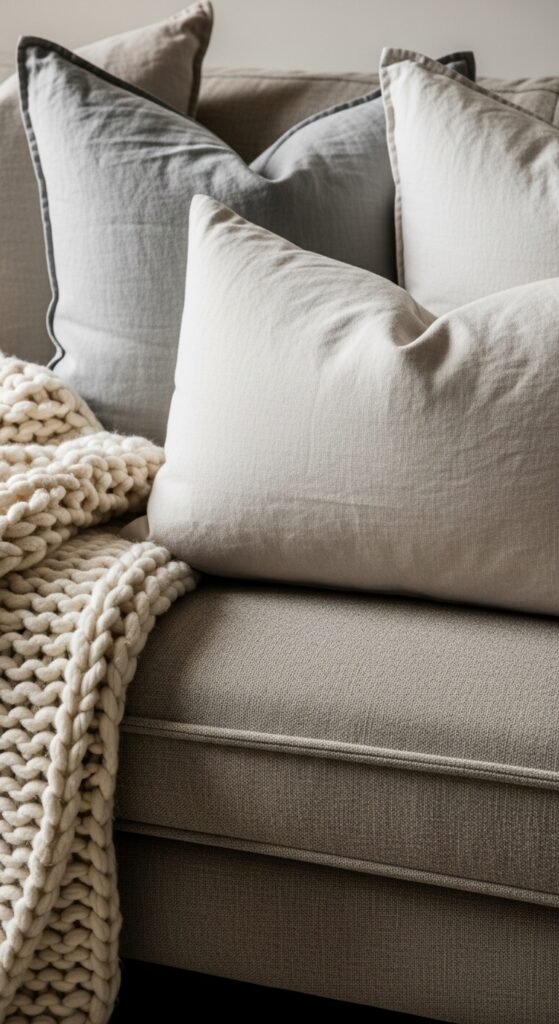
Mixing textures keeps a neutral space from feeling flat while still maintaining a relaxed vibe. The key is contrast—soft with structured, smooth with cozy.
Choose Lighting That Encourages Rest
Harsh overhead lighting can instantly disrupt a calming atmosphere. Cozy spaces rely on soft, layered lighting instead.
Use a mix of:
- Table lamps with warm bulbs
- Floor lamps near seating areas
- Wall sconces or small accent lights
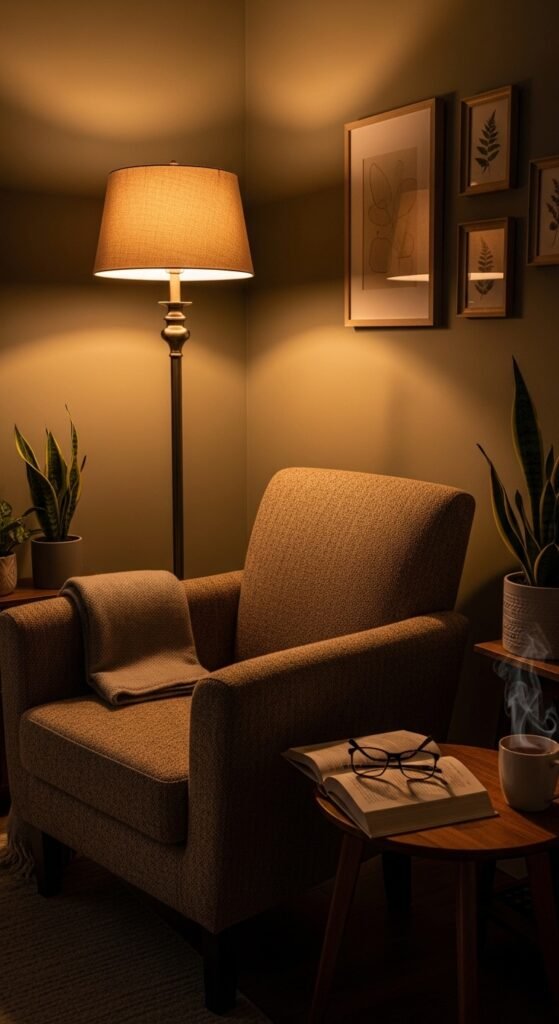
Aim for warm light tones rather than bright white. Lighting should feel gentle and inviting, especially in the evening when your body naturally wants to unwind.
Design Cozy Seating for Slow Moments
Comfortable seating invites you to slow down—and that’s exactly what relaxing decor should do.
Focus on:
- Deep, cushioned seating
- Chairs with supportive backs
- Ottomans or poufs to rest your feet
Arrange furniture so it feels welcoming, not stiff. Slight angles, soft curves, and close groupings encourage rest and conversation.
Quick check: If a seat looks nice but doesn’t feel comfortable after 10 minutes, it’s not doing its job.
Add Personal Touches That Feel Meaningful
Relaxation comes easier when your space feels personal. Decor with emotional value adds warmth without adding clutter.
Consider:
- A few framed photos with simple frames
- A favorite book stack
- Handmade or sentimental objects
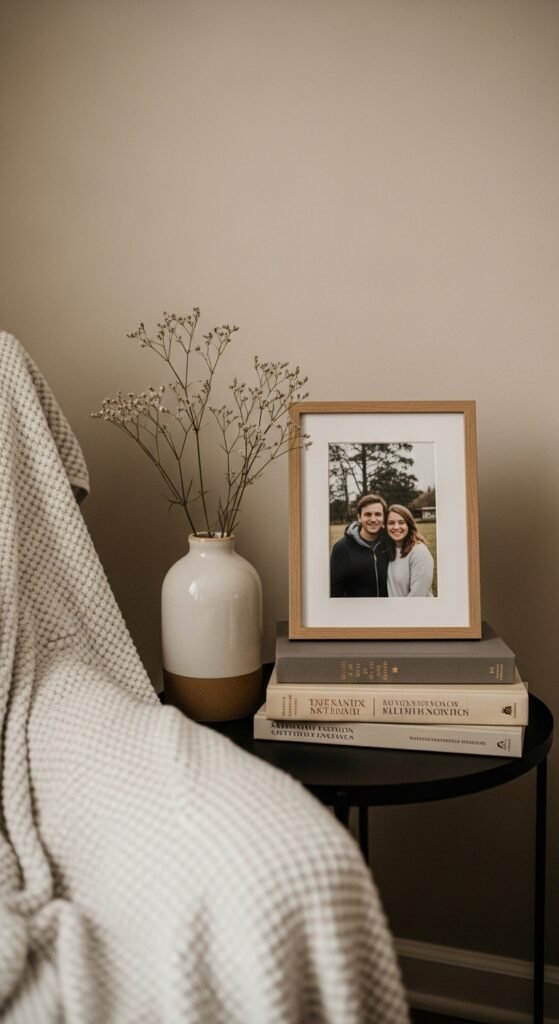
Limit personal items to a few thoughtful pieces. Too many can feel visually busy, while a curated selection feels grounding and intentional.
Use Natural Elements to Soften the Space
Nature-inspired decor has a calming effect and instantly makes a room feel more balanced.
Easy ways to bring it in:
- Potted plants or dried greenery
- Wooden trays or furniture
- Stone, ceramic, or clay accessories
Even one or two natural elements can soften a space and make it feel more connected and peaceful.
Keep the Space Clutter-Free and Intentional
A cozy room still needs breathing space. Visual clutter can quietly increase stress—even if the decor is beautiful.
To maintain calm:
- Clear surfaces before adding decor
- Choose fewer, larger pieces instead of many small ones
- Store everyday items out of sight when possible
Cozy doesn’t mean crowded. It means thoughtful, warm, and easy to be in.
Create One Dedicated Relaxation Zone
Instead of redesigning your entire home, start with one intentional area.
This could be:
- A reading corner
- A cozy sofa setup
- A bedroom nook for winding down
Design this spot with comfort first, and let it set the tone for the rest of your space.
Final Takeaway
Designing cozy decor for relaxation is about choosing softness, warmth, and intention over trends. When your home supports rest, it supports you—mentally and emotionally.
Start small. Layer textures, soften your lighting, and surround yourself with items that feel good to live with.
Save this guide for later and come back whenever your space needs a little more calm.